
By Ismail Abdullahi
In politics, silence is not always golden—it can be the lull before the storm. The All Progressives Congress (APC) in Sokoto State is currently a house divided against itself, and if urgent steps are not taken, President Bola Ahmed Tinubu may find himself clutching at straws in the 2027 elections. The cracks in the party’s foundation are widening, and as the saying goes, a stitch in time saves nine.
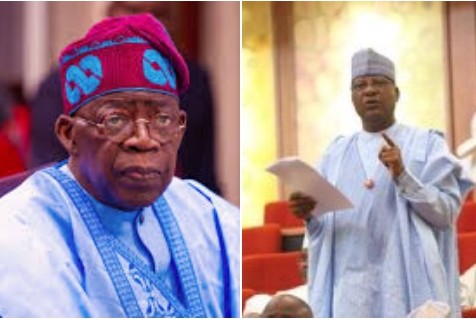
At the heart of this brewing crisis is the palpable sense of betrayal felt by some key stakeholders who played pivotal roles in ensuring the APC’s victory in the 2023 elections. Among them is Senator Ibrahim Abdullahi Danbaba, a political warhorse whose contributions to the party’s success cannot be swept under the carpet.
Despite deploying his personal resources and political sagacity to steer the APC’s ship to victory, Danbaba has been left in the cold, with neither recognition nor reward for his efforts.
Similarly, Senator Ibrahim Lamido, who currently represents Sokoto East Senatorial District, appears to be navigating the murky waters of a party that seems to have lost its sense of direction. The sidelining of these political heavyweights is not just a slight; it is a strategic blunder that could cost the APC dearly. When a man who built a house is forced to live in the backyard, resentment festers, and doors begin to open for the opposition.
Senator Danbaba’s influence in Sokoto South is undeniable. He commands a formidable grassroots support base that contributed significantly—about 45%—to the APC’s total votes in the last election. Yet, he has been neither compensated with a ministerial position nor given the opportunity to place his supporters in key government appointments. A general who leads his troops to victory should not be treated like a foot soldier.
The simmering discontent is reaching a boiling point, and if the APC leadership, particularly its National Chairman, His Excellency Dr. Abdullahi Umar Ganduje, fails to act swiftly, they may soon be left counting their losses. The whispers of dissatisfaction may soon turn into roars of protest. Senator Danbaba’s supporters are already considering taking to the streets in a peaceful demonstration to demand fairness and justice.
If this crisis festers unchecked, it will not just be a case of losing a senator—it will be the beginning of a domino effect that will weaken the party’s grip on Sokoto State. And when the election bell tolls in 2027, Tinubu may realize—perhaps too late—that a divided house cannot stand.