
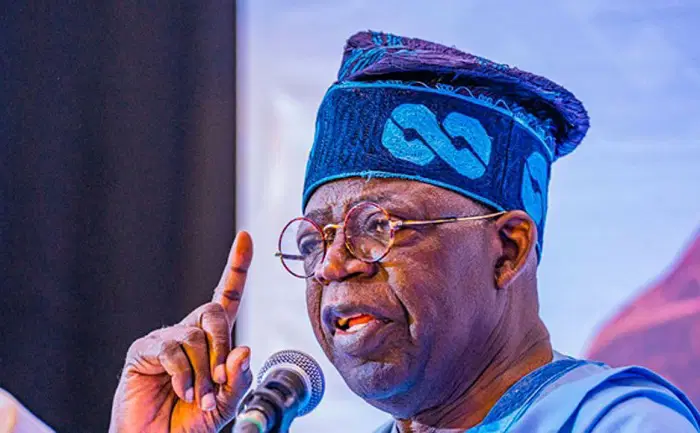
As Nigeria approaches the midpoint of its electoral cycle, political maneuvering for the 2027 presidential election is already taking shape. While some Northern political figures have threatened to challenge President Bola Tinubu’s re-election, the reality suggests that their influence may not be as decisive as they claim.
The North, particularly the dominant Muslim political bloc, played a crucial role in Tinubu’s 2023 victory, alongside the Southwest. However, growing discontent over economic hardships, insecurity, and perceived nepotism in Tinubu’s administration has led to murmurs of regret among some Northern leaders.
Governor Bala Mohammed of Bauchi State, a key figure in the opposition People’s Democratic Party (PDP), has openly hinted at a Northern political backlash against Tinubu in 2027. As the PDP Governors’ Forum Chairman, Bala is seen as a potential challenger. However, his history of political deal-making suggests he could still align with Tinubu if it serves his interests.
On the other hand, activist Yerima Shettima, known for controversial statements and lacking electoral weight, has also been vocal against Tinubu. However, his past antics, including divisive rhetoric and threats, have not translated into meaningful political influence.
Despite growing opposition, Tinubu’s strong grip on power, party structure, and ability to negotiate alliances make it unlikely that Northern resistance alone will derail his second-term ambitions. As 2027 approaches, political deals and shifting alliances will ultimately determine the landscape.