
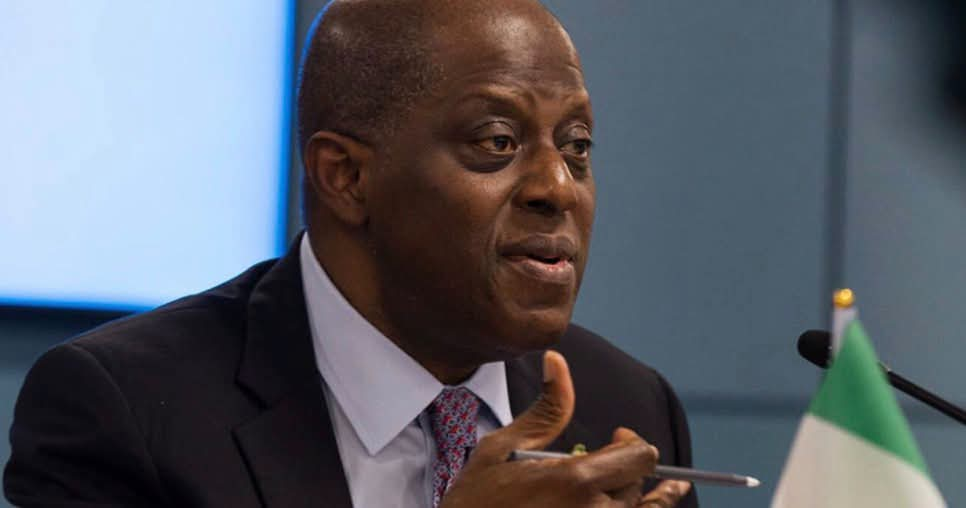
Olayemi Cardoso, governor of the Central Bank of Nigeria (CBN), has called for equity, fairness, and proportional representation in the governance structure of the proposed ECOWAS monetary union.
Cardoso spoke on November 20 at the ministerial session of the sixth presidential task force (PTF) meeting on the ECOWAS single currency programme in Abidjan, Côte d’Ivoire.
He said regional solidarity and respect for the sovereign equality of member states should remain central to the proposed union but must be balanced with the financial commitments, responsibilities and risks borne by individual countries.
The CBN governor said the meeting marks a significant stage in the region’s monetary integration efforts, with discussions centred on key issues concerning the proposed union’s institutional structure, including where its institutions would be located, leadership appointments and the distribution of powers and responsibilities.
“The decisions we take today will shape the future of the Union for decades to come,” Cardoso said.
“They will influence its credibility in the eyes of investors and development partners, its legitimacy in the eyes of our citizens, and the confidence of member states that their commitments are being matched by a meaningful voice within the institutions they are helping to build.”
He reaffirmed Nigeria’s commitment to the ECOWAS monetary cooperation programme and the establishment of the proposed ECO single currency.
The CBN governor said Nigeria had made substantial financial contributions, provided technical support and made compromises “in the broader interest of regional consensus”.
However, Cardoso said countries with larger economies and greater financial responsibilities should be given fair consideration in the governance of the institutions they support.
“While bigger economies continue to take up the burden, they should also be considered to play a significant role because of the risk and systemic importance they have in the sub-region,” he said.
“Above all, such economies need to defend the huge contribution they make before their respective parliaments and the civil society. Where obligations are shared but influence is not, arrangements may be agreed, but their long-term sustainability may be difficult to guarantee.”
Reiterating Nigeria’s position, Cardoso said Nigeria’s position is not driven by dominance or entitlement but by the responsibilities associated with being the region’s largest economy and one of the principal contributors to the proposed monetary union.
He said Nigeria would commit substantial financial resources, reserves and institutional capital to the project, adding that it is therefore reasonable that responsibility, accountability and participation in governance should be appropriately aligned with the scale of those commitments.
The CBN governor urged delegates to approach the discussions with openness, mutual respect and a willingness to compromise.
Cardoso also called for arrangements that would give every member state a tangible stake in the union’s success, warning against a situation where countries bear financial obligations without a corresponding voice in its governance.