
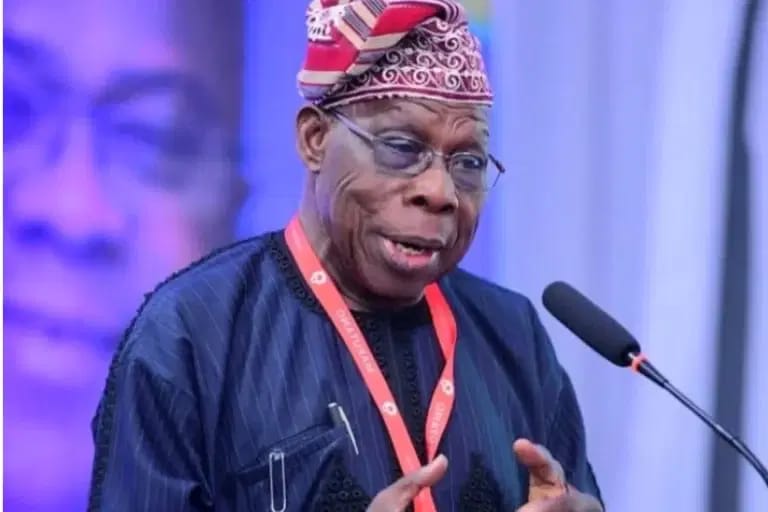
Former President Olusegun Obasanjo has revealed the strategic steps he took to secure significant debt relief for Nigeria during his presidency from 1999 to 2007.
In an interview with News Central, Obasanjo shared that establishing the Independent Corrupt Practices & Other Related Offences Commission (ICPC) and the Economic and Financial Crimes Commission (EFCC) were crucial in convincing international lenders to write off Nigeria’s debts.
Obasanjo’s administration faced significant challenges, including a $3.5 billion annual debt servicing burden and a total debt of approximately $36 billion, with the nation’s reserves at $3.7 billion.
He successfully negotiated debt forgiveness by demonstrating his administration’s commitment to channeling saved funds into sustainable development projects.
“The world out there doesn’t feel that it owes you anything, but if you do what is right, there’s a lot you can get out of the world,” Obasanjo emphasized, highlighting the importance of presenting a credible and transparent plan to global financial institutions.
Upon assuming office in 1999, Obasanjo found Nigeria’s debt overwhelming, with $3.5 billion spent annually on debt servicing without reducing the quantum of debt. He discovered that lenders considered reforms, such as reducing corruption and effective financial management, before providing debt relief.
Obasanjo’s efforts led to a significant reduction in Nigeria’s debt from $36 billion to $3.5/3.6 billion by the end of his tenure. However, he expressed disappointment in successive administrations, citing poor leadership, corruption, and mismanagement as reasons for Nigeria’s current economic struggles.
As Obasanjo noted, “Leadership is not a thing that you pick on the road… When we identify leadership, we should appreciate it and use it to good advantage.” He stressed the importance of effective leadership in driving Nigeria’s progress and development ¹.