
The recent establishment of Sharia arbitration panels across several South-West states has sparked heated debates, pitting Yoruba nation agitators against some Muslim groups.
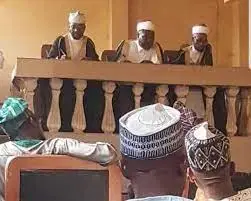
The controversy intensified after Ekiti State hosted its first Sharia panel sitting on Wednesday at the Ado-Ekiti Central Mosque, where three Kadhis adjudicated two marriage-related disputes. This development followed similar panels in Lagos, Ogun, Oyo, and Osun, leaving Ondo as the only state in the region without such panels.
Divergent Views on Sharia Panels
The Yoruba Nation Religious Council (YONAREC), led by Pastor Oluwafemi J. Edafemi, strongly opposed the panels, claiming they threaten the secular fabric of the region. At the weekend, 29 Yoruba groups also voiced their disapproval, warning against any covert attempts to institutionalize Sharia in Yorubaland.
A joint statement from these groups declared, “We strongly oppose any attempt to introduce Sharia in Yoruba-land. Religious bigots and extremists must desist or face the wrath of Yoruba people.”
The statement was signed by prominent Yoruba organizations, including the Alliance for Yoruba Democratic Movement (AYDM), O’odua Peoples Congress (Reformed), and South-West Vigilante Groups.
MURIC Defends Sharia Panels
In response, the Muslim Rights Concern (MURIC) accused extremist Christian and Yoruba nationalist groups of spreading misinformation about Sharia panels. MURIC emphasized that these panels are not courts but arbitration committees designed to resolve civil matters like marriage, divorce, and inheritance among Muslims.
“This opposition is based on ignorance and mischief. Sharia panels are voluntary and meant for Muslims. They do not affect non-Muslims and are not a threat to the secular nature of Nigeria,” MURIC argued.
Government and Public Reaction
The Ekiti State government denied the existence of a Sharia panel or court within its jurisdiction, seeking to quell concerns. Meanwhile, tensions remain high following the postponement of a Sharia panel inauguration in Oyo earlier this month due to public backlash.
Historical Context and Broader Implications
Sharia courts have long been part of the judicial system in Northern Nigeria, where Muslims dominate. The push for Sharia panels in the South-West reflects the significant Muslim population in the region but has raised fears of religious polarization.
Observers suggest that resolving the issue requires open dialogue to address misconceptions while ensuring that any such systems remain inclusive and non-impositional. The growing rift highlights the delicate balance between cultural identity, religious practice, and Nigeria’s secular constitution.