
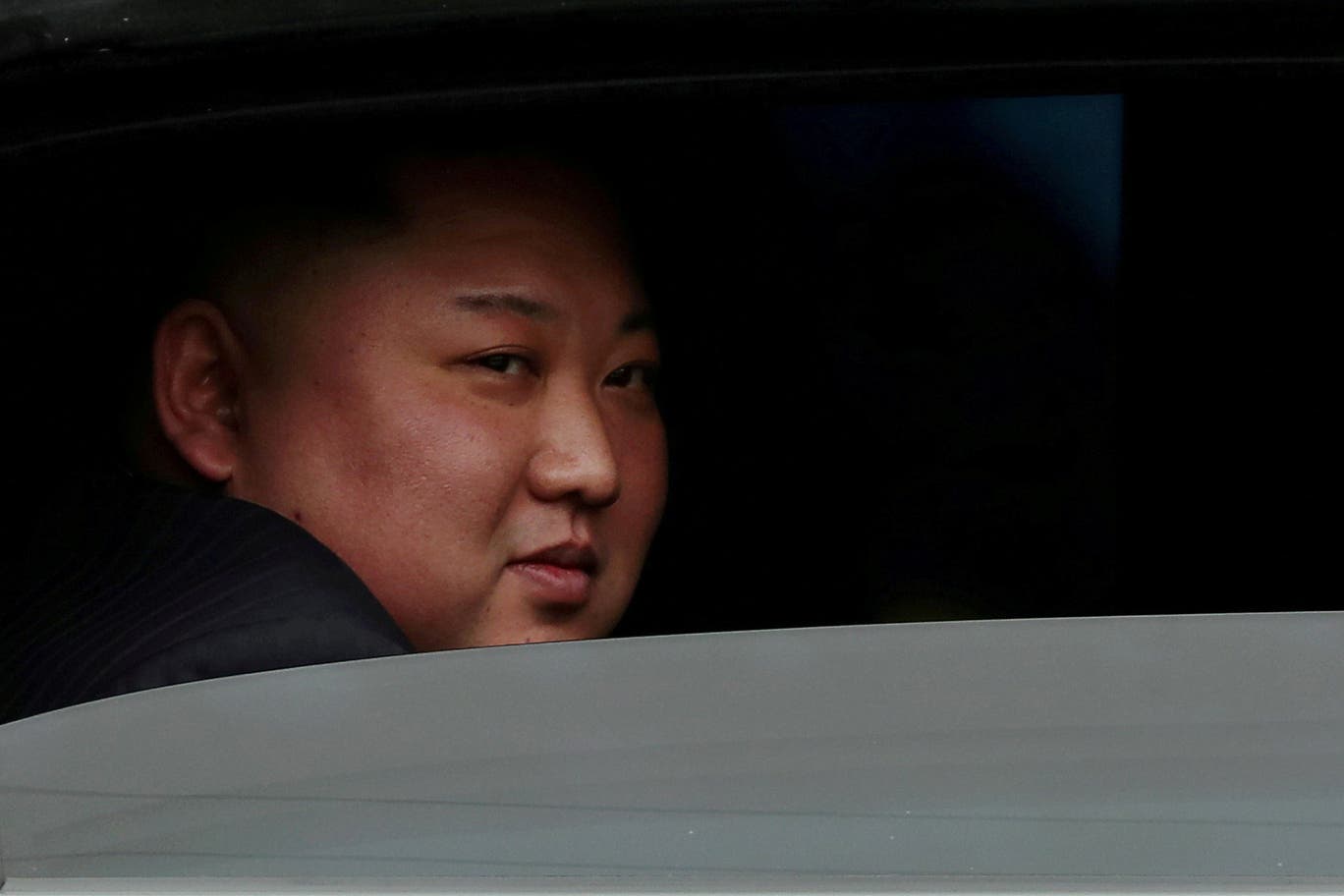
North Korean leader Kim Jong-un has intensified his control over party discipline by targeting alcohol consumption among officials.
In a recent meeting of the Korean Worker’s Party Secretariat, Kim condemned the actions of a group of officials in Onchon County, about 60 km west of Pyongyang, for holding an improperly prepared meeting and later engaging in heavy drinking.
State newspaper Rodong Sinmun reported that the officials failed to show genuine enthusiasm for the political process, describing their behavior as mere formalism—going through the motions without ideological commitment. The situation worsened when 40 of these officials were found indulging in what the regime labeled as a “drinking spree,” defying the party’s strict standards of discipline.
Kim Jong-un responded by calling the incident a “political and moral crime” that weakened party foundations. As a result, the Onchon County party committee was dissolved, and the officials involved were marked for punishment. While their fate remains unclear, they are expected to undergo ideological re-education, a common form of correction in North Korea.
Using accusations of drunkenness to target party officials is not new in North Korean history. In the 1950s, Pak Il-u, a high-ranking minister, was removed from his position under similar allegations. Despite this crackdown, alcohol remains legal in North Korea and holds cultural significance. It is used in celebrations, funerals, and even honored in national symbols like postage stamps.
North Korea has promoted its alcoholic products, such as Taedonggang Beer and Pyongyang Soju, through government-backed initiatives. In 2015, Kim designated Pyongyang Soju as the national liquor, highlighting alcohol’s place in society. However, this latest move signals that while drinking is accepted, it must align with strict political discipline.