
The Trump administration’s deep cuts to staffing in national parks, forests, and wildlife habitats have sparked a growing public outcry, as conservation efforts and visitor services suffer ahead of the busy summer season.
The impact of the cuts is already evident, There are longer entrance lines at parks like the Grand Canyon, where visitors were stuck for hours over President’s Day weekend due to a lack of toll operators.
Trail closures, including one near Seattle, shut down indefinitely because there aren’t enough staff to maintain it.
Fewer rangers and rescue teams, raising safety concerns for visitors in remote or dangerous areas.
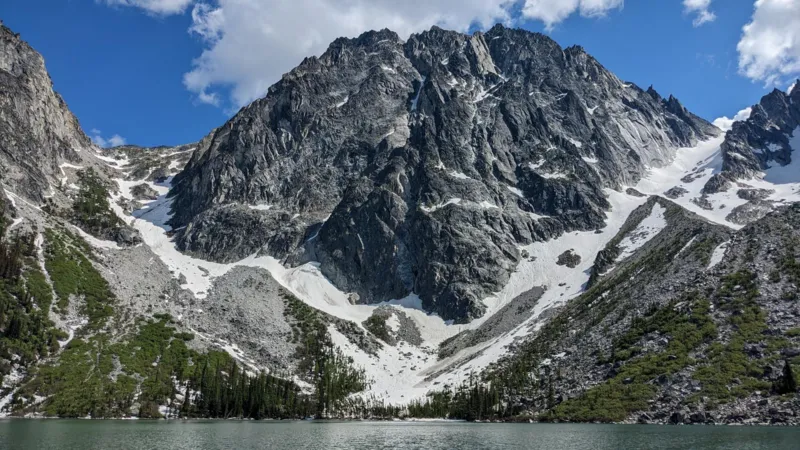
Kate White, a wilderness ranger in Washington’s Enchantments, says her team typically removes 600 lbs of litter each season and maintains backcountry toilets that now risk overflowing. But her job was cut, along with those of 3,400 other U.S. Forest Service workers—about 10% of the agency’s staff.
“We were usually the first on scene if someone got lost or injured. Now, I don’t know what’s going to happen,” she said.
The National Park Service lost 1,000 employees (5% of its workforce), while the Forest Service was hit even harder. These cuts are affecting the management of:
- National Parks, which get 325 million visitors annually
- National Forests, which see 159 million visitors each year
At Yosemite National Park, the famous “firefall” event took on a political twist when a group—including former employees—hung an upside-down American flag in protest of the cuts. Andria Townsend, a carnivore biologist who lost her job, supported the demonstration, saying it draws attention to the threats to endangered species due to a loss of conservation workers.
With summer approaching, the staffing cuts could lead to:
- Fewer maintained trails, making hikes more dangerous
- More litter and environmental damage due to reduced cleanup efforts
- Increased risks for visitors, as fewer rangers are available for rescues.
The cuts, first announced on February 14, are part of broader budget reductions aimed at shrinking the federal government. However, critics argue they are putting public safety and conservation at risk, making national parks and forests less accessible and enjoyable for millions of Americans.