
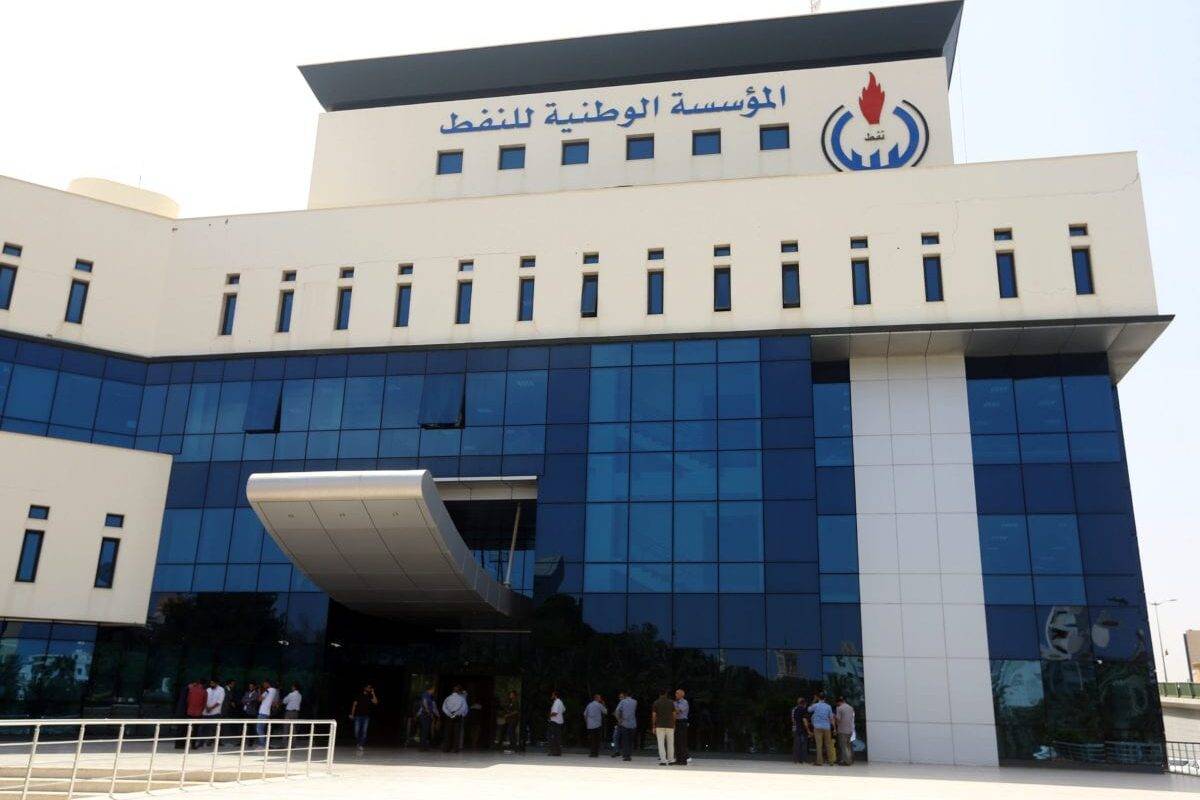
Libya’s National Oil Corporation (NOC) has announced plans to invite foreign investment into its oil and gas sector, a move that has ignited strong reactions from both supporters and critics.
The initiative, set to launch in 2025, will offer 22 onshore and offshore exploration areas for bidding—the first such opportunity in nearly two decades.
Supporters of the plan argue that foreign investment is crucial for reviving the country’s energy industry and strengthening its economy. The Minister of Oil and Gas, Khalifa Abdul Sadiq, has defended the decision, saying it signals Libya’s return to the global market after years of instability. He emphasized that the process will follow a transparent framework designed to attract major international companies.
However, opposition voices within Libya’s parliament and the High Council of State have raised serious concerns. The parliament’s Energy Committee has questioned the legality of the move, insisting that any decision involving the country’s natural resources requires parliamentary approval. Lawmakers have called for full transparency in the bidding process to ensure Libya’s interests are protected.
The National Consensus Bloc in the High Council of State has gone even further, condemning the initiative as a reckless misuse of national wealth. In a strongly worded statement, the bloc accused the government of prioritizing political survival over the country’s long-term energy security. They warned that the move could lead to a dangerous dependency on foreign companies and weaken Libya’s control over its own resources.
With tensions rising, the future of Libya’s oil industry hangs in the balance. While the government views foreign investment as a path to stability and economic growth, critics see it as a risky gamble that could undermine national sovereignty. The coming months will determine whether the NOC can push forward with its plans or face increasing resistance from within the country.