
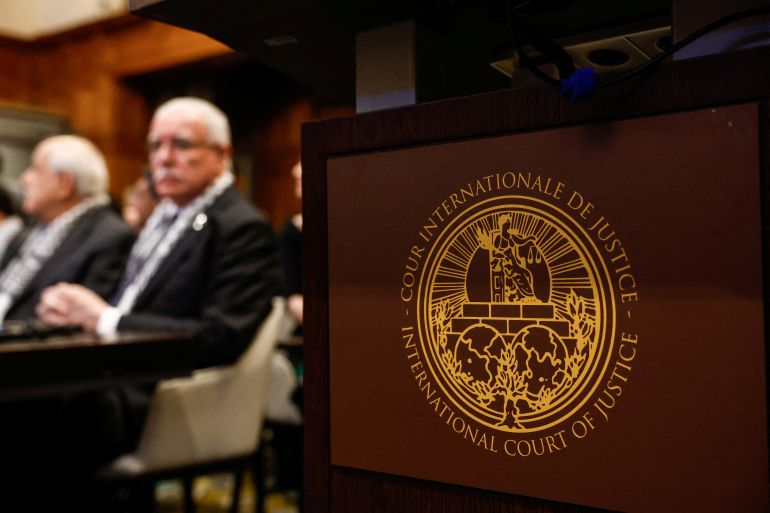
Sudan has filed a case at the International Court of Justice (ICJ), accusing the United Arab Emirates of backing the paramilitary Rapid Support Forces (RSF) in its attacks against the Masalit people in Darfur.
The lawsuit claims that the UAE has violated the Genocide Convention by providing direct assistance to the RSF, which has been accused of committing atrocities.
The UAE has strongly rejected the allegations, calling the case a media stunt aimed at diverting attention from Sudan’s internal problems.
UAE officials argued that Sudan’s government should focus on ending the ongoing conflict instead of seeking international legal action.
The war between the Sudanese army and the RSF has been ongoing for nearly two years, causing massive destruction.
Tens of thousands of people have died, and over 12 million have been displaced.
The fighting has led to severe food shortages, with famine declared in some areas.
The conflict, which began in Sudan’s capital, Khartoum, has spread to various regions, including Darfur, a state with a history of ethnic and tribal tensions.
The RSF and its allies, mostly from nomadic Arab tribes, have been accused of targeting the Masalit, a sedentary non-Arab group, in violent attacks.
Some observers describe these attacks as acts of genocide.
The RSF denied involvement in civilian killings but has been linked to assaults on refugee camps.
In January, the United States formally accused the RSF of committing genocide in Darfur.
Sudan has asked the ICJ to issue emergency measures against the UAE, including an order to stop any support for armed groups linked to the RSF.
Sudan also demanded financial compensation for the harm caused. While ICJ rulings are legally binding, the court lacks the power to enforce them.
In previous cases, countries like Russia and Israel have ignored ICJ decisions.