
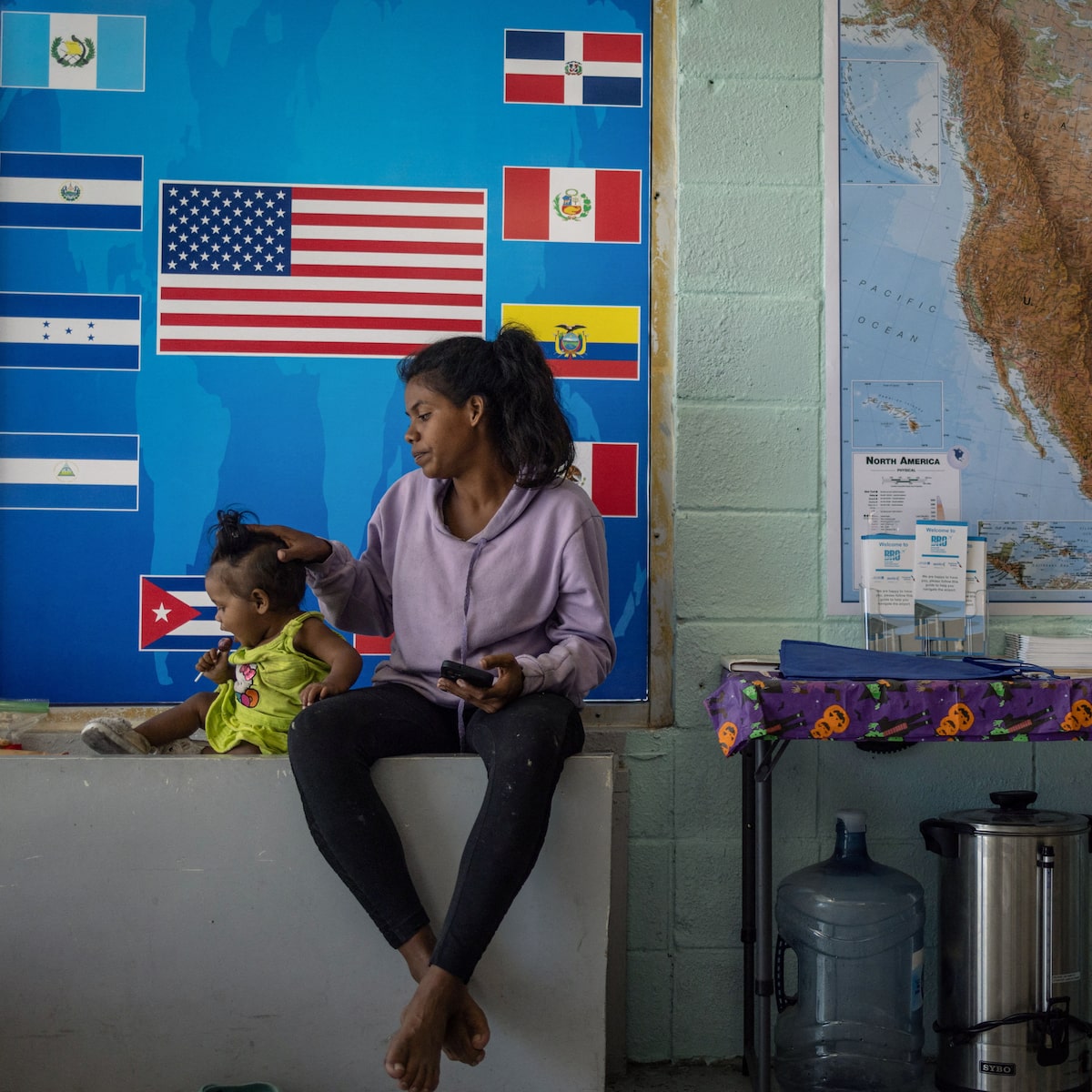
President Trump has revoked the legal status of approximately 530,000 immigrants from Cuba, Haiti, Nicaragua, and Venezuela.
This decision affects individuals who have been living in the United States under temporary protections, leaving many uncertain about their future.
The move targets immigrants who were granted legal status under Temporary Protected Status (TPS) or similar programs. Many of them have lived in the U.S. for years, building families, businesses, and careers. With this change, they now face potential deportation unless they can find another legal pathway to remain.
The decision has sparked outrage from immigration advocates and human rights groups, who argue that sending these individuals back to unstable conditions in their home countries is unjust and inhumane. Many of the affected nations are struggling with economic crises, political turmoil, and natural disasters.
The administration defends the decision, stating that these protections were meant to be temporary and that conditions in some of these countries have improved. Officials argue that ending these protections aligns with the administration’s broader immigration policies.
This policy shift is expected to face legal challenges as advocacy groups prepare to fight for those affected. In the meantime, thousands of families are left in limbo, uncertain about what comes next.