
US President Donald Trump has introduced new tariffs targeting major economies, including the European Union.
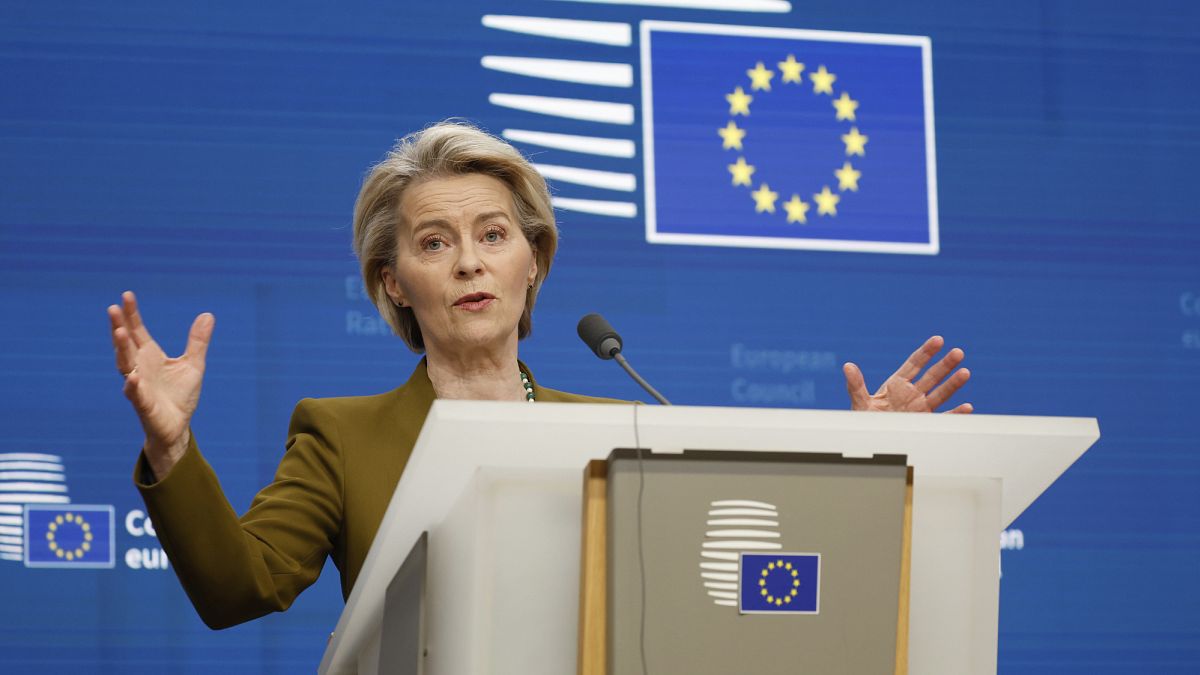
The move has triggered strong reactions from EU leaders, with European Commission President Ursula von der Leyen vowing to respond.
The tariffs, announced during a press event, have sent shockwaves across global markets. European businesses, already facing economic challenges, are bracing for the impact of increased costs on exports to the US.
The EU, one of the biggest trading partners of the US, now faces a difficult decision on how to counter the tariffs. Von der Leyen has assured European industries that a response is in the works, hinting at possible retaliatory measures to protect EU businesses.
Many industries within the EU will be affected, particularly in manufacturing and agriculture. European officials are holding urgent discussions to determine the next course of action, as businesses express concerns over potential losses.
The US has defended the tariffs as necessary to correct trade imbalances, but critics warn that they could strain relations with allies and disrupt global supply chains. The EU must now navigate a delicate situation, balancing economic interests while preventing an all-out trade war.
With tensions rising, the coming weeks will be crucial in shaping the future of transatlantic trade. Business leaders and policymakers are closely watching how both sides handle the dispute, as uncertainty looms over global markets.