
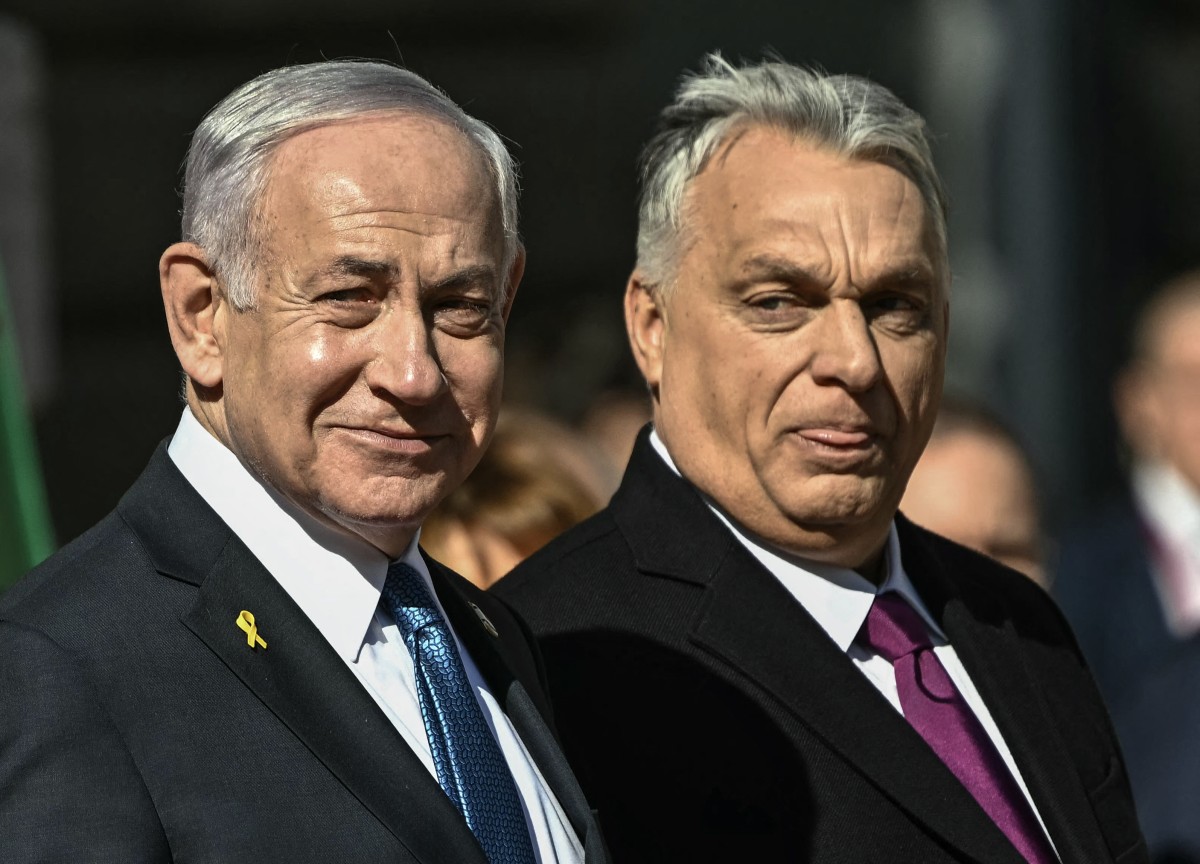
Hungary has announced its decision to withdraw from the International Criminal Court (ICC), marking a controversial move that aligns with Prime Minister Viktor Orbán’s criticism of the tribunal.
The announcement coincided with Israeli Prime Minister Benjamin Netanyahu’s visit to Budapest, despite an ICC arrest warrant issued against him for alleged war crimes in Gaza.
The Hungarian government revealed it would begin the legal process to exit the ICC, citing dissatisfaction with the court’s perceived political bias. Orbán’s chief of staff, Gergely Gulyás, stated that the withdrawal procedure would follow constitutional and international legal frameworks. Hungary signed the Rome Statute in 1999 and ratified it in 2001 but claims its obligations under the ICC were never incorporated into domestic law.
Netanyahu’s visit comes as part of Hungary’s stance against the ICC warrant issued in November. Orbán invited Netanyahu shortly after the warrant was announced, expressing shock at what he described as a “shameful decision.” Hungary has assured Israel that it will not enforce the warrant, further demonstrating its opposition to ICC rulings.
Critics have voiced concerns over Hungary’s decision. Belgian Foreign Affairs Minister Maxime Prévot condemned the move, arguing that it undermines international justice and efforts to combat impunity for serious crimes like genocide and war crimes. If Hungary proceeds with its withdrawal, it will become the only European Union member state not bound by the Rome Statute.
The withdrawal process is expected to take one year following official notification to the United Nations Secretary-General. This development adds tension to Hungary’s relationship with other EU nations, many of which remain committed to supporting the ICC’s mission.