
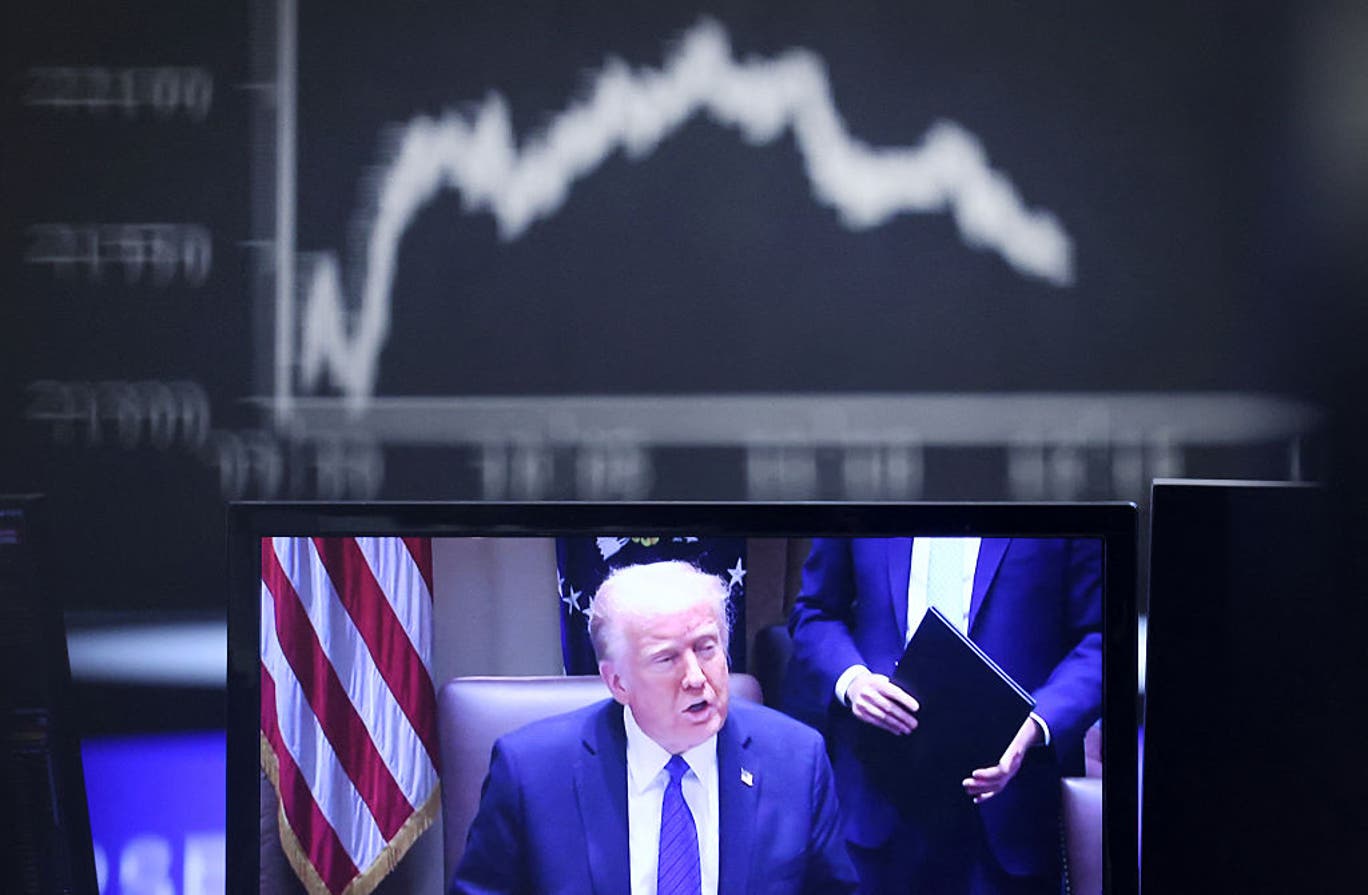
A bold move by President Donald Trump to impose sweeping global tariffs has sent shockwaves through US financial markets, wiping out an estimated $2.5 trillion in value in just one day.
The announcement, framed by Trump as a strategy to boost American economic strength, instead delivered a swift and brutal blow to investors.
Markets reacted sharply to the news on Thursday, with all major indexes closing deeply in the red. The S&P 500 dropped by 4.8%, translating to nearly $2.48 trillion in lost value, according to data from the Financial Times. The Dow Jones Industrial Average also plunged, shedding nearly 4%, while the tech-heavy Nasdaq suffered a sharper decline of close to 6%.
The Nasdaq 100, which tracks many of the world’s most prominent technology firms, was hit particularly hard. Bloomberg estimates suggest it alone saw losses around $1.4 trillion. While there’s overlap in company listings between indices, the scale of the damage points to a widespread investor retreat and growing concerns over economic stability under Trump’s trade strategy.
Among the biggest casualties was Apple, which saw over $300 billion wiped from its market capitalization in a single day. The company’s stock, like many others, came under pressure from fears that tariffs could raise production costs, disrupt supply chains, and curb consumer demand globally.
The tariffs, aimed at imports from numerous countries, are part of Trump’s broader push to reshape global trade in favor of American manufacturing. However, critics warn that the strategy could backfire by triggering retaliatory tariffs, shrinking international markets for US goods, and damaging investor confidence.
Compounding the tension, Trump suggested that UK Labour leader Keir Starmer was “very happy” with the decision to apply a 10% tariff on UK imports. That remark sparked diplomatic confusion and drew criticism from both sides of the Atlantic.
The full impact of the tariffs may not be felt immediately, but Thursday’s record losses suggest a growing fear that the worst is yet to come. Analysts and traders are now bracing for continued volatility and further sell-offs if the policy path remains unchanged.
As the dust settles, investors and policymakers alike are left grappling with the consequences of a trade move that was supposed to strengthen America’s economic standing—but instead triggered one of the biggest market collapses in recent memory.