
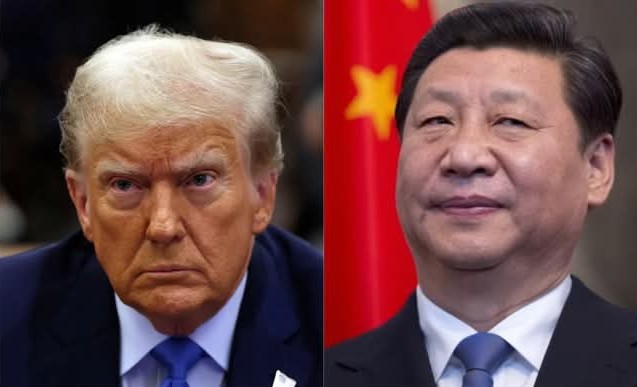
China has taken a significant step in the escalating trade tensions between the two nations by imposing a 34% tariff on all US imports starting April 10. This move is a direct response to the US imposing a 34% “reciprocal” tariff on Chinese exports.
According to a statement from the Ministry of Finance’s State Council Tariff Commission, the tariffs apply to all products made in the US. China’s decision to impose these tariffs is seen as a firm stance against the US’s trade policies, which China views as unfair and damaging to its economy.
“The US imposition of so-called ‘reciprocal tariffs’ seriously violates WTO rules and undermines the rules-based multilateral trading system,” China’s Commerce Ministry said in a statement. “It is a typical unilateral bullying practice that endangers the stability of the global economic and trade order. China firmly opposes this.”
In addition to the tariffs, China has also imposed additional export controls on rare earths, including samarium and its compounds, used in aerospace manufacturing and the defense sector. This move is seen as a strategic response to the US’s reliance on Chinese rare earths.
Furthermore, China’s customs administration has suspended imports of chicken from some US suppliers due to the detection of furazolidone, a drug banned in China. The administration has also found high levels of mold in sorghum and salmonella in poultry meat from some US companies.
The trade tensions between the US and China have been escalating over the past year, with both countries imposing tariffs on each other’s goods. The situation remains fluid, with the potential for further escalation or a negotiated resolution.
As the trade conflict continues to unfold, businesses and industries on both sides are bracing for the impact. The tariffs imposed by China are expected to affect a range of US products, from agricultural goods to manufactured items.
The US Chamber of Commerce has expressed concern over the tariffs, stating that they will harm American businesses and consumers. “These tariffs will lead to higher costs for American families and businesses, and will make it harder for American companies to compete globally,” the Chamber said in a statement.