
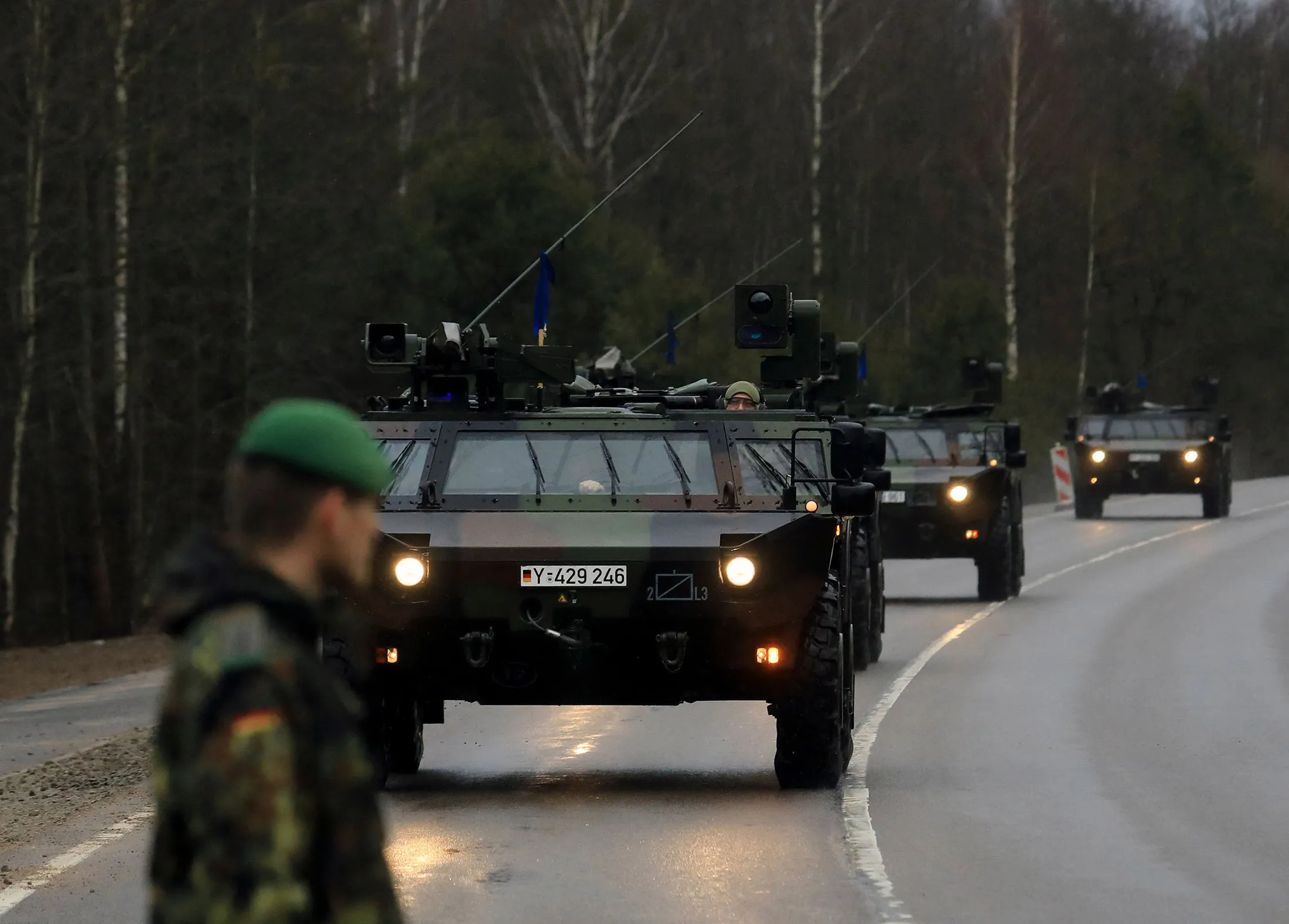
European countries have collectively spent over £22 billion on weapons so far this year, marking a major increase in defense investments amid ongoing geopolitical tensions.
Nations across the continent are ramping up their military capabilities in response to security concerns and evolving global threats.
Governments are directing these funds toward advanced weaponry, military technology, and defense infrastructure. The spending surge is driven by a mix of regional conflicts, commitments to NATO, and the push to modernize armed forces. European leaders argue that strengthening defense is necessary to maintain security and stability.
Defense budgets are being allocated to a wide range of military equipment, including fighter jets, naval ships, missile defense systems, and cyber warfare capabilities. Countries are also investing in ammunition stockpiles and expanding military personnel training. This trend reflects a shift toward long-term preparedness in the face of uncertainty.
Economic experts are debating the impact of this rising defense expenditure. While some see it as essential for national security, others question the financial burden it places on economies. Critics argue that the money could be better spent on healthcare, education, or social programs, while supporters claim that a strong military is crucial for deterrence and defense.
Military officials stress that these investments are necessary to keep up with evolving warfare strategies. With growing concerns about hybrid warfare, cyber threats, and territorial disputes, European nations are prioritizing their ability to respond quickly and effectively. This focus on defense spending is expected to continue throughout the year, shaping security policies across the region.