
Israel has put forward a plan to create a joint energy forum for Arab countries that have established diplomatic ties with it under the Abraham Accords.
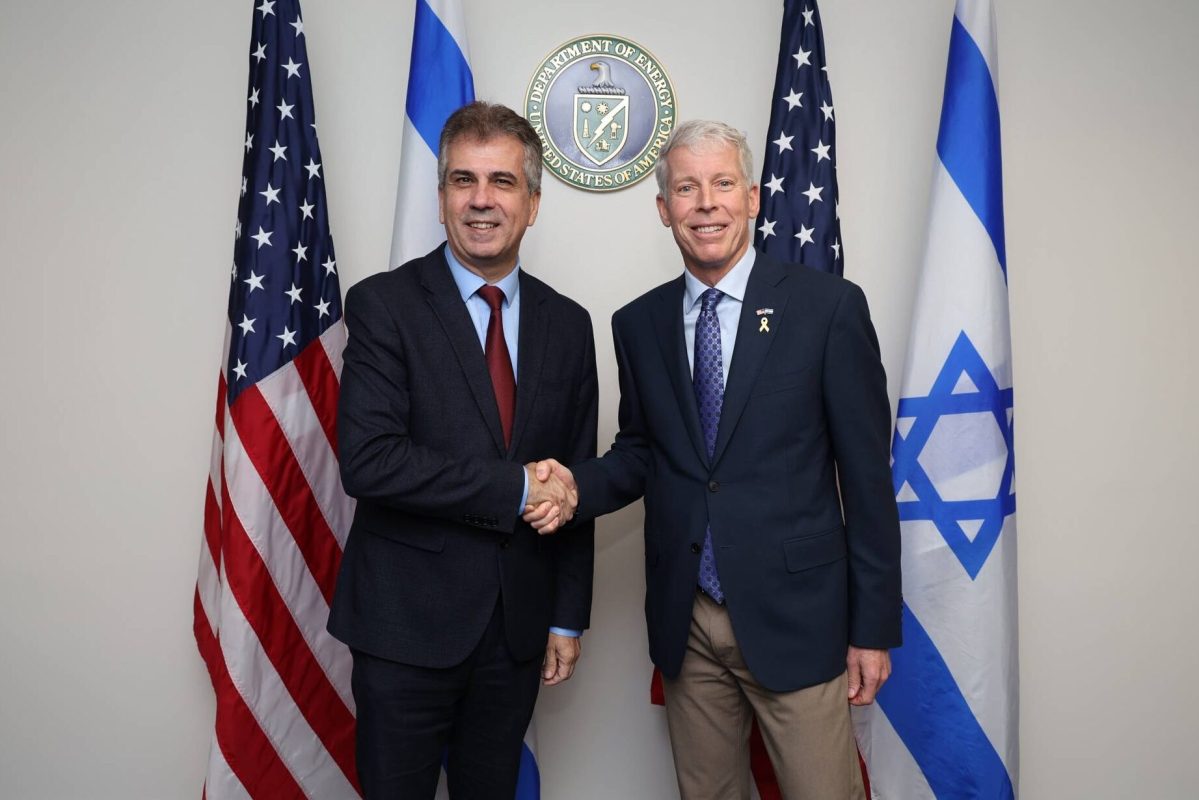
The proposal was revealed by Israeli Energy Minister Eli Cohen during his official visit to the United States.
Cohen said the idea came up in discussions with US Energy Secretary Chris Wright. The proposed forum would bring together countries like the United Arab Emirates, Bahrain, Sudan, and Morocco — all of whom signed agreements to normalise relations with Israel in recent years. The initiative aims to deepen regional cooperation through shared energy projects.
In addition to the Abraham Accords forum, the two ministers also talked about setting up a separate regional group that would include Israel, Greece, and Cyprus, with US backing. This group would focus on energy ventures designed to bring economic growth and political stability to the broader Middle East region.
While no exact timeline or structure for these forums has been shared yet, the talks suggest Israel is looking to use energy as a bridge to strengthen its new relationships with former adversaries. Cohen did not give details about how the forums would work or what specific projects might be included.
The Abraham Accords, signed in 2020 and brokered by the United States, marked a significant shift in Middle East diplomacy. The deals saw several Arab nations officially recognise Israel, ending decades of non-recognition. In return, these countries secured political and economic benefits, including arms deals and trade opportunities with the US and Israel.
Israel’s new energy diplomacy push comes as it continues to expand its role in regional infrastructure, particularly in areas like natural gas, electricity, and renewable energy. By inviting Arab countries to take part in joint ventures, Israel hopes to turn recent diplomatic gains into long-term economic partnerships.
The energy forum could open the door to cross-border projects and new investment flows, but it may also face political challenges from populations and governments in the region still opposed to full normalisation. For now, the proposal signals a growing effort to turn political deals into practical cooperation.