
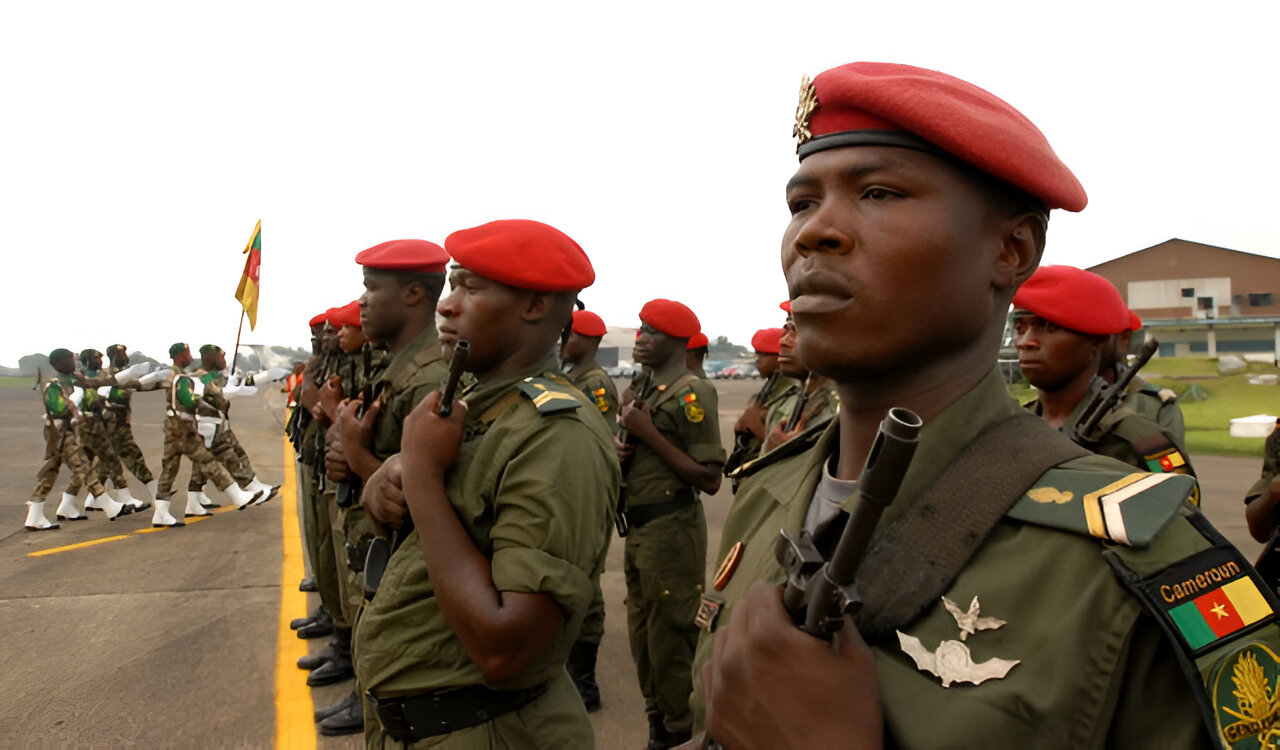
A growing number of Cameroonian soldiers are reportedly leaving their posts to take part in the ongoing conflict between Russia and Ukraine.
While both countries are locked in a brutal war, soldiers from far-off nations like Cameroon are becoming part of the battleground—often not as mercenaries under flags, but as individuals seeking income or purpose elsewhere.
This wave of departures has raised questions about the conditions within Cameroon’s military, as some soldiers say they are looking for better opportunities. Low wages, limited benefits, and the strain of local security challenges appear to be pushing some troops to consider other paths. The war in Ukraine, now in its third year, has created space for foreign fighters, and Cameroonian men are reportedly among those who have taken up the offer.
Those leaving are doing so through unofficial routes. Many are said to travel to Eastern Europe with the help of recruiters who promise roles in foreign legions or private military groups. Once in countries like Russia or Ukraine, they undergo short training or are directly placed in military units. Some end up on the frontlines, while others perform support duties. Either way, they are far from home, involved in a war that is not theirs.
This shift is not backed by the Cameroonian government. Officials have not formally responded to the trend, but security experts warn that it could impact the country’s internal stability. Cameroon is already grappling with internal conflicts, especially in the Anglophone regions, and the exit of trained personnel could stretch the military thin.
Many of these soldiers are driven by economic reasons. With limited prospects in their home country, they see the war abroad as a chance to earn more money, even if it comes with great risk. Recruitment offers circulating on social media and in private circles make the idea even more attractive. Promises of higher pay, legal documents, or even citizenship in foreign countries are often part of the pitch.
The Russian and Ukrainian armies have both admitted to using foreign fighters. Ukraine’s Foreign Legion was set up early in the war to attract international volunteers, while Russia has also been linked to foreign recruits, sometimes through less transparent channels. Both sides see these volunteers as extra manpower in a conflict that shows no signs of ending soon.
Cameroonian civil groups and human rights organizations are now calling for more attention to the issue. They say that young men should not have to choose between poverty at home and risking their lives abroad in a war they barely understand. They urge better policies, reforms, and support systems to keep trained soldiers in Cameroon.
The departures may be small in number now, but the trend is a worrying one. It points to deeper issues that go beyond foreign conflict and touch on the everyday struggles faced by those who serve. As the war in Europe drags on, Cameroon could face more losses—this time not from combat, but from within.