
The United States has raised concerns about Nigeria’s decision to block the import of certain goods, saying the policy is hurting American businesses that sell products like food, drinks, and medicines.
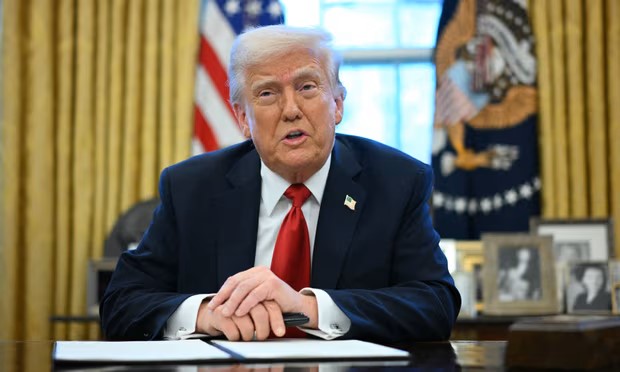
This disagreement comes shortly after President Donald Trump introduced new tariffs on Nigerian exports entering the US, adding to the already tense trade environment.
The issue began when Nigeria put a ban in place on 25 different categories of products. These include items such as poultry, pork, fruit juices, medicines, and alcohol. The Nigerian government says the goal is to help local industries grow and reduce reliance on imports. However, the US says this policy is making it hard for American exporters to sell their products in Nigeria, one of the largest markets in Africa.
The United States has been affected because many of the banned products are made in America and usually shipped to Nigerian businesses. These businesses are now unable to order their usual supplies, and American companies are losing customers as a result. The US Trade Office says this could lead to financial losses and fewer business opportunities in the future.
The Nigerian government introduced the ban back in 2016. It was meant to boost local production, create jobs, and reduce pressure on the country’s currency. Over time, more products have been added to the list, including processed foods, vegetable oil, and sugar. In March this year, the government also decided to stop importing solar panels in a move to promote local clean energy production.
The US has spoken out now because the trade situation is becoming more difficult across the world. Many countries are changing their trade policies. President Trump’s administration is pushing for higher tariffs on foreign goods, and Nigeria is one of the countries now facing a 14 percent duty on products it sells to the US. The US says these policies are meant to protect its economy, but countries like Nigeria see them as unfair.
Nigeria has not yet responded to the latest criticism from the US. It is unclear whether the government plans to change its policy or open talks with American trade officials. For now, the ban remains in place, and American exporters will have to find ways to deal with the new reality.
As global trade becomes more uncertain, many countries are struggling to find a balance between protecting their industries and keeping foreign trade flowing. The current disagreement between the US and Nigeria is another sign of how complicated these choices can be.