
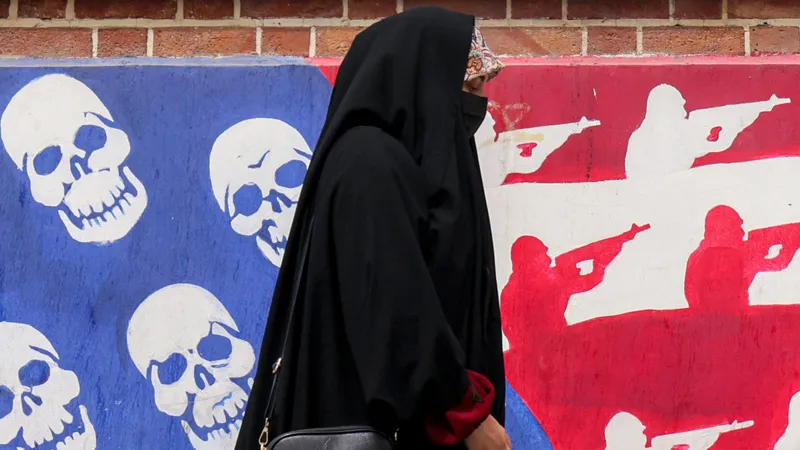
Talks between the United States and Iran are set to begin soon, but both sides remain divided on key issues, casting doubt on the chances of reaching a new agreement over Iran’s nuclear program.
The diplomatic push comes at a time when the US president, after struggling to resolve crises in Gaza and Ukraine and escalating a global trade standoff, is turning his focus to Tehran.
For President Trump, Iran has long been unfinished business. During his first term, he withdrew the US from the 2015 nuclear deal known as the Joint Comprehensive Plan of Action (JCPOA). That agreement, backed by world powers including the UK, France, Germany, Russia, and China, offered Iran relief from sanctions in exchange for curbing its nuclear activities and accepting inspections.
Since the US withdrawal, Iran has increasingly violated the deal’s limits. Its uranium enrichment levels now approach weapons-grade, and experts believe the country has enough material to make multiple nuclear warheads if enrichment continues.
In February, Trump reinstated his “maximum pressure” campaign, signing an order for tougher sanctions targeting Iranian oil exports and punishing countries that continue to trade with Iran. This economic pressure is now being paired with a push for diplomacy, with direct talks scheduled in Oman.
Trump has made his expectations clear—he wants Iran to halt all uranium enrichment and stop supporting regional groups like Hezbollah in Lebanon and the Houthis in Yemen. In return, the US would consider lifting some sanctions. Iran, meanwhile, is dealing with a struggling economy, high inflation, and a weakened position in the region after the fall of Syrian President Bashar al-Assad and major setbacks to its proxy militias.
While some voices in Tehran may be open to negotiation, others view nuclear capability as essential for deterrence, especially after recent regional losses. Giving up all enrichment activities, even for peaceful purposes, would cross a red line for many in the country.
There’s also growing concern over Iran’s advancing nuclear knowledge. Even if a deal were struck, its scientists now possess much more technical know-how than they did a decade ago.
Israel remains deeply opposed to any Iranian nuclear capability. Prime Minister Netanyahu has called for a complete dismantling of Iran’s program, similar to what Libya did in 2003. But Iran is unlikely to follow that example.
If talks collapse, the risk of military conflict increases. Israel has long considered the possibility of striking Iran’s nuclear sites, many of which are deeply buried. Military experts say such a mission would be difficult and would likely require help from the US and possibly ground forces to ensure success.
With the two sides still far apart, the chances of reaching a breakthrough remain uncertain. What happens next could shape not just the future of Iran’s nuclear ambitions, but the wider security landscape of the Middle East.