
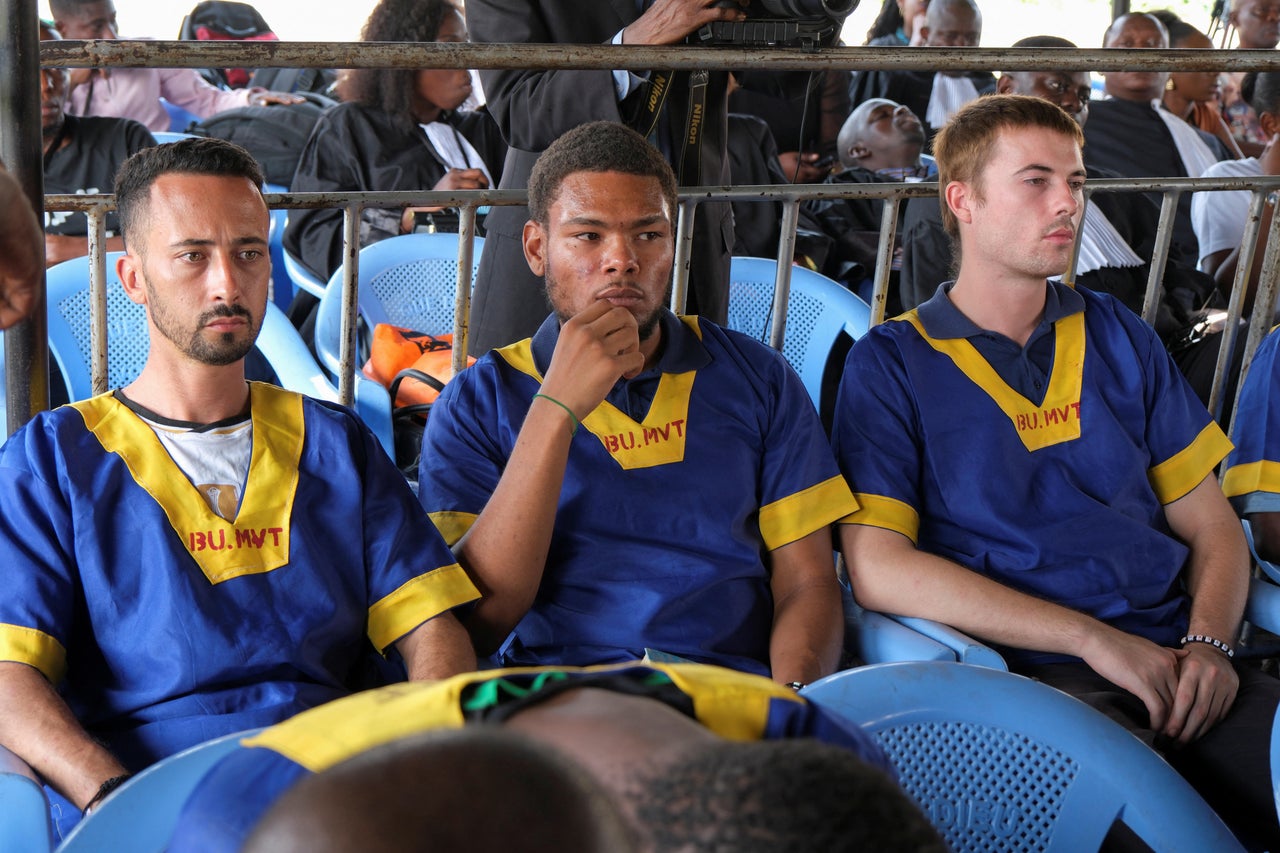
American authorities have officially charged several US citizens who were repatriated after allegedly taking part in a failed coup attempt in the Democratic Republic of Congo (DRC).
The move marks a rare legal case in which Americans face prosecution at home for their involvement in political unrest abroad.
The Department of Justice announced that the individuals are accused of conspiring to overthrow the Congolese government. These charges follow their return to the United States, where they were handed over by Congolese officials after being captured during the failed rebellion in Kinshasa, the capital of the DRC.
The men had traveled to the DRC earlier this year, where they were reportedly part of a group aiming to unseat President Félix Tshisekedi’s administration. Armed and organized, the group launched an attack on government buildings but was quickly overpowered by Congolese security forces. Dozens were arrested, including the Americans now facing legal action back home.
US law enforcement became involved shortly after the incident, coordinating with Congolese officials to ensure the suspects were returned to the US. Once on American soil, federal prosecutors moved swiftly to file charges related to unlawful military activity, conspiracy, and violations of international laws.
These charges carry serious consequences. If found guilty, the accused could face long prison sentences, given the nature of the allegations and the involvement in a foreign coup attempt. Legal experts say such cases are rare but not unprecedented, particularly when US citizens are found to have plotted violent actions overseas.
Reactions to the case have been mixed. Some have expressed concern over the involvement of Americans in foreign instability, questioning how they were recruited and financed. Others worry about the broader implications for US foreign policy, especially as Washington tries to maintain stability and strong relations in Africa.
Families of the accused have called for fair treatment and full transparency in the legal process. Some have claimed the men were misled or did not fully understand the consequences of their actions.
The case has sparked renewed attention on how extremist movements and political agendas can cross borders and pull in individuals from thousands of miles away. As the legal process unfolds, it may also prompt closer scrutiny of online recruitment and the spread of radical ideas targeting unstable regions.
The outcome of the trial will be closely watched, not just for its legal impact but for how it might shape future international cooperation in cases involving foreign unrest and US citizens.