
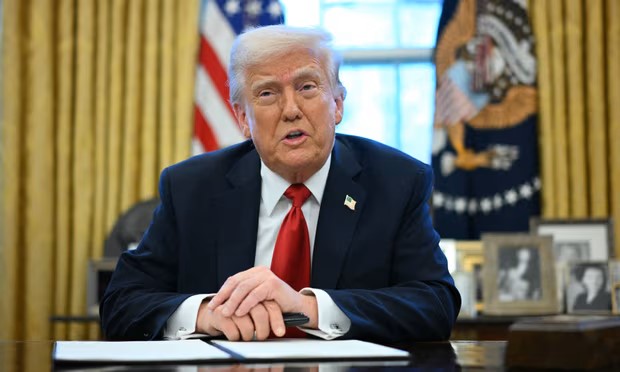
Trade negotiations between the United States and 75 countries are now in motion after a three-month freeze announced during Donald Trump’s administration.
The move followed Trump’s earlier pause in foreign trade deals to assess tariff imbalances and push for fairer agreements with global partners.
The talks began when the US government announced a temporary stop to all new international trade deals, giving room to examine how other nations were taxing American products compared to what the US charged them. This 90-day break was aimed at encouraging better terms and rebalancing long-standing tariff gaps that had been unfavorable to American exporters.
Former President Trump addressed the issue by pointing out stark differences in tariff rates between the US and other countries. The administration released a chart showing how some foreign nations were imposing high import taxes on American goods, while the US was charging much lower rates in return. This was especially true in sectors like automotive, steel, and agriculture, where US exporters had struggled to compete on a level playing field.
Following the pause, the US received responses from over 70 nations willing to return to the table for fresh discussions. Countries such as China, India, the European Union, and Japan are among those engaging in talks to strike more equal trade terms. For many of them, avoiding further restrictions or penalties from the US has become a key reason to cooperate.
Meetings are now taking place between trade teams, who are working through proposed tariffs, quotas, and terms aimed at creating deals that benefit both sides. The US is pushing for reciprocal arrangements—where both countries agree to mirror each other’s tax rates on imported goods. Some nations are offering to lower tariffs or ease restrictions on American businesses as part of the talks.
The Trump administration had long campaigned for tougher trade practices, arguing that past deals had cost the US jobs and hurt manufacturing. This current wave of negotiations is seen by supporters as a step toward reshaping global trade rules in a way that better serves American industries.
The outcome of these talks could reshape how the US trades with much of the world. If successful, they may lead to new agreements that offer fairer terms for American products and reduce trade barriers. For now, discussions remain ongoing, with global attention fixed on what will come out of these negotiations in the months ahead.