
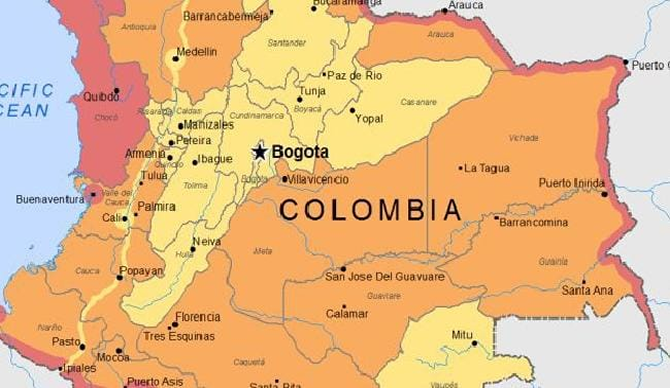
Colombia has declared both a health and economic emergency after a deadly outbreak of yellow fever claimed dozens of lives.
The government is now calling on citizens to get vaccinated and avoid high-risk areas as Easter travel raises concern over further spread.
Since the beginning of the year, 34 people have died from yellow fever out of 74 confirmed infections. The mosquito-borne disease, which causes fever, muscle pain, nausea, and headaches, is known to exist in several parts of South America. However, the high number of deaths in this outbreak has alarmed health officials.
The situation has grown more serious in Colombia’s central Tolima region, a well-known coffee-growing area. Cases in that zone jumped from just four last September to 22 by mid-April. Health Minister Guillermo Jaramillo warned that the virus is no longer limited to remote rural zones but is now affecting broader areas, putting more communities at risk.
To help contain the outbreak, the government will now require all travelers entering or leaving the country to carry proof of yellow fever vaccination. Citizens are also being urged not to travel to affected regions, especially over the Easter weekend, unless they are vaccinated. President Gustavo Petro made the announcement in a Facebook post and linked the disease’s spread to climate change, pointing out that mosquitoes carrying yellow fever are now reaching higher elevations than before.
The move to declare an economic emergency allows the government to direct funds quickly toward response efforts, including vaccination drives, mosquito control, and medical treatment.
International health officials are also sounding the alarm. The U.S. Centers for Disease Control and Prevention (CDC) raised its alert level for yellow fever in South America earlier this week. Travelers heading to countries like Colombia, Bolivia, and Peru are now advised to get vaccinated before departure or consider booster shots if they have not had one in the last ten years.
Authorities say quick action is essential to preventing the outbreak from spreading to urban centers. While yellow fever is preventable through a single dose of vaccine, low coverage in certain areas has left many vulnerable, especially in remote regions. Colombia’s health agencies are now racing to distribute vaccines and educate the public before the disease reaches more densely populated areas.