
Ghana is reaching out to reconnect with its neighbors as it prepares to host the 50th anniversary launch of the Economic Community of West African States (ECOWAS).
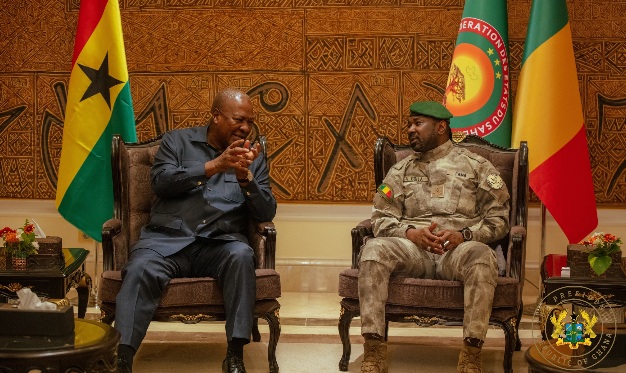
The celebration, set for April 22, 2025, in Accra, has taken an unexpected turn with invitations extended to the military-led governments of Mali, Burkina Faso, and Niger—countries that recently exited the bloc to form a separate alliance.
The invitation, announced during a press briefing in Accra, was described by Ghana’s Foreign Affairs Minister, Samuel Okudzeto Ablakwa, as a move toward mending strained regional ties. The three Sahel nations had cut ties with ECOWAS earlier this year, opting instead to join the newly formed Alliance of Sahel States (AES), citing dissatisfaction with the bloc’s handling of security and political issues in the region.
By inviting them to the anniversary launch, Ghana hopes to open the door for renewed talks and rebuild bridges. The message behind the gesture is clear—dialogue remains the preferred path for resolving differences in the region. Ghana’s leadership believes in collective solutions over isolation, especially as West Africa continues to face security and political challenges.
The ECOWAS@50 event will be held at the Accra International Conference Centre and will be hosted by President John Dramani Mahama. A new logo will be unveiled, along with the announcement of a theme to guide a year-long Jubilee celebration. The occasion will honor the founding of the bloc in 1975, which was established to promote political cooperation and economic integration across the region.
Among those expected to attend are Nigerian President Bola Ahmed Tinubu, who currently leads the ECOWAS Authority of Heads of State and Government, as well as other regional leaders, the ECOWAS Commission president, and international development partners.
The decision to include Mali, Burkina Faso, and Niger is being closely watched, as it could mark the first step toward healing a significant rift in West African unity. Whether the three countries will accept the invitation remains uncertain, but Ghana’s effort signals a hopeful turn in a tense regional dynamic.