
President Donald Trump may be preparing to ease off his tough trade stance on China, offering Wall Street its first real signal that the White House could reduce tariffs after months of rising economic tension.
This week, Trump struck a more optimistic tone than usual, saying the U.S. would be “very nice” and that tariffs on Chinese goods could “come down substantially.” The softer language helped lift the S&P 500 by more than 2%, a sharp reaction from investors who have grown weary of the prolonged trade war.
According to a report from the Wall Street Journal, the administration is weighing a proposal to lower the current 145% tariff on some Chinese imports. Trade officials are said to be considering cutting the rate to 35% for products not linked to national security. The broader tariff rate could also be reduced to around 50%—still high, but a clear step down from recent punishing levels.
Despite these developments, no decision has been finalized. Treasury Secretary Scott Bessent warned that the administration would not lower tariffs unless China responds in kind. Still, he acknowledged that the current trade standoff can’t last forever and hinted at the possibility of reaching a “big deal.”
Behind the scenes, the shifting tone may be driven by pressure from both the economy and major business leaders. Retail giants like Walmart, Target, and Home Depot recently met with Trump to raise alarms about the impact of tariffs on prices and supply chains. According to Bloomberg, the president was open to their concerns.
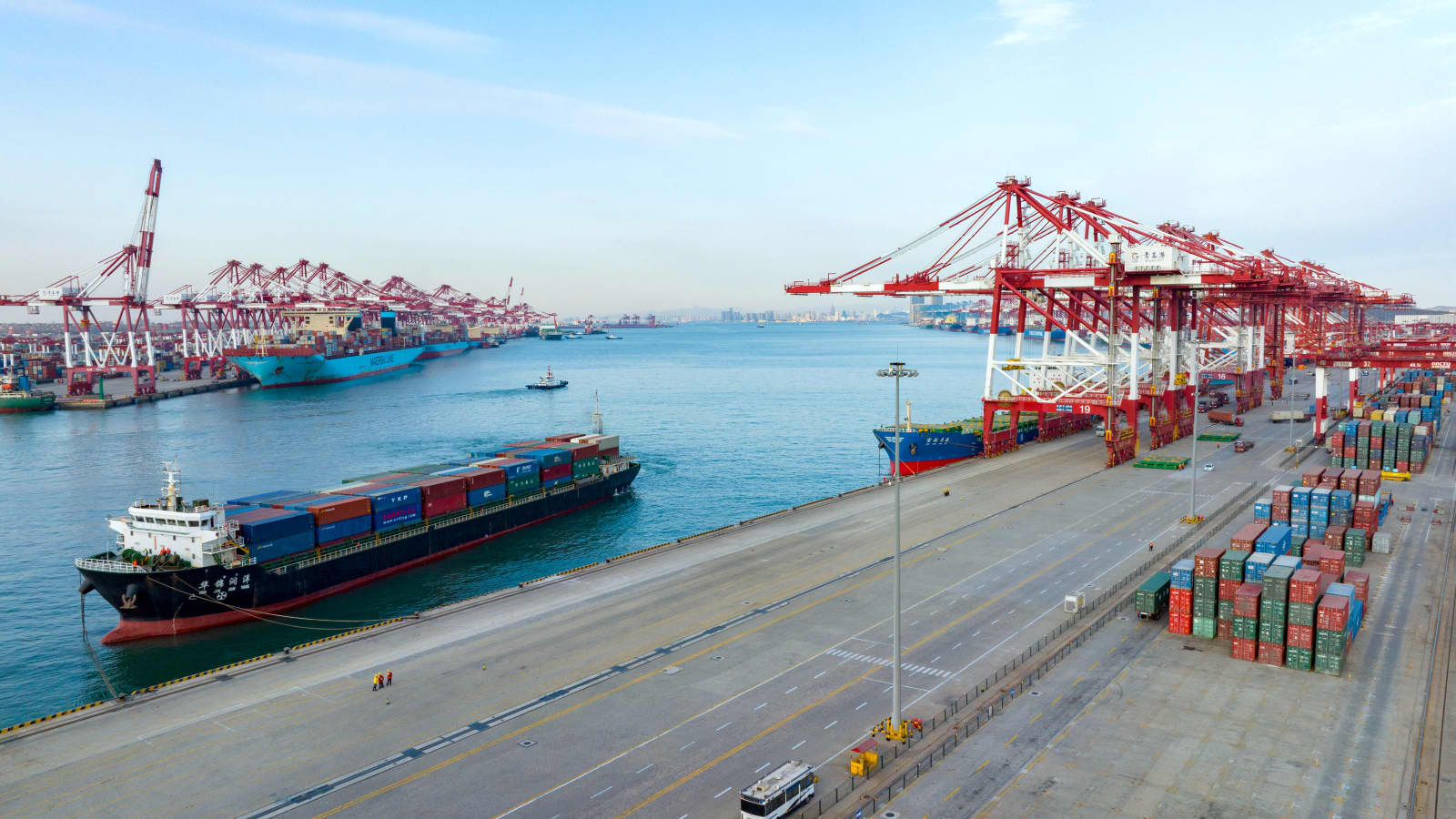
Since the new blanket tariffs were announced earlier this month, the S&P 500 has been on a weekly decline, and the warning signs have grown louder. Importers have begun pulling back, canceling Chinese shipments and shrinking U.S.–China trade. Flexport, a major logistics company, reported a 60% drop in shipments from China in recent weeks.
If the administration does ease tariffs, experts say it could trigger a rush to secure shipping capacity, pushing logistics costs higher. For now, investors and businesses are watching closely to see whether the White House is ready to pivot—or if the trade fight continues.