
China’s top leadership has vowed to take stronger steps to support its economy and push back against what it describes as unfair trade practices, as tensions with the United States over tariffs continue to rise.
The move comes as the ongoing trade conflict with Washington adds new pressure to China’s already strained economic outlook.
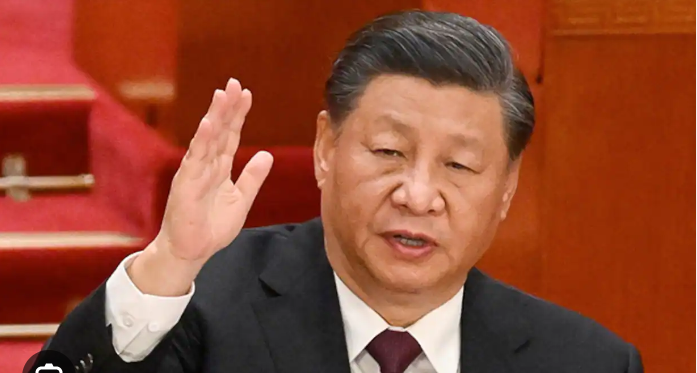
President Xi Jinping and senior members of the Communist Party’s Politburo met on Friday to address key economic concerns, signaling Beijing’s intention to resist external pressure and boost domestic stability. The leaders pointed to growing external risks and called for cooperation with the international community to defend open trade.
This latest promise of support follows a sharp escalation in the trade war with the United States. Since returning to office earlier this year, President Donald Trump has introduced a wave of new tariffs, hitting most US trade partners with a 10 percent rate. However, China has borne the brunt of these measures, with many of its exports now facing tariffs as high as 145 percent. Beijing has hit back with retaliatory tariffs of up to 125 percent on American goods.
The trade row is unfolding at a challenging time for China. The country continues to battle longstanding troubles in its real estate sector, sluggish consumer spending, and deflationary pressures. Despite recording record exports last year, domestic demand has not kept pace, prompting officials to look inward for growth.
During Friday’s meeting, the Politburo stressed the need to boost household income and expand the service sector to encourage more spending. Leaders also discussed the possibility of adjusting interest rates when needed, aiming to support economic activity without launching a sweeping stimulus immediately.
While some economists believe China may eventually need to roll out broader economic support measures, they suggest that leaders are taking a cautious approach, waiting to fully assess the impact of the latest trade moves before acting.
Uncertainty still surrounds the possibility of trade negotiations. A spokesperson from China’s commerce ministry stated there were no current talks with the United States. Yet, just hours later, President Trump insisted that discussions with Beijing were ongoing. Adding to the mixed signals, Chinese media reported that authorities may consider lifting some tariffs on American semiconductors—a move that could ease tensions in a key industry.
As the standoff continues, China’s leaders appear determined to steer the economy through the turbulence, relying more on domestic drivers of growth while preparing to push back against mounting external pressure. Whether this strategy will be enough in the face of a deepening global trade rift remains to be seen.