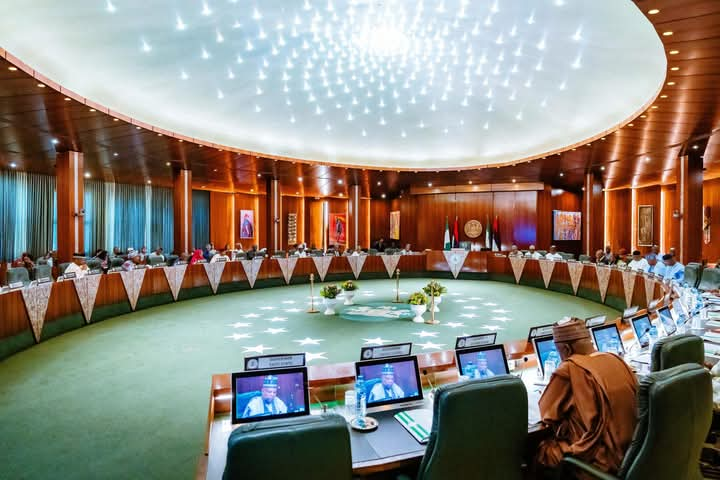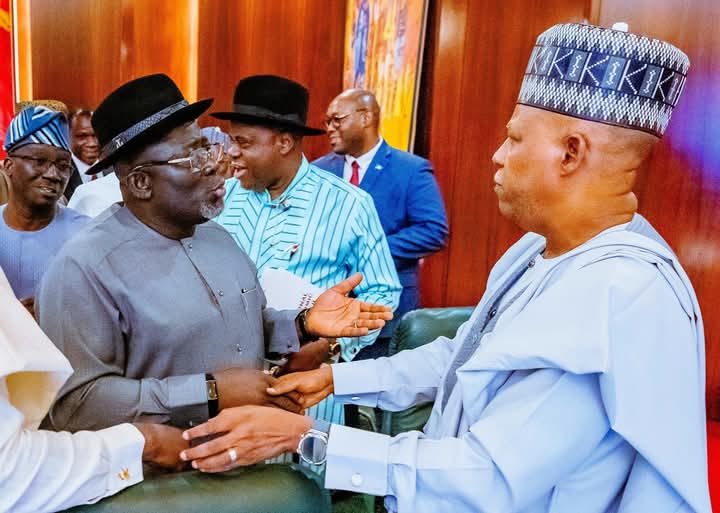
The National Economic Council (NEC) has approved the establishment of a Cotton, Textile and Garment Development Board, alongside new strategies for agribusiness expansion and livestock transformation projected to generate up to $90 billion in economic value by 2035.
Vice President Kashim Shettima, who chairs NEC, said, “We are not merely responders to crises. We are architects of a sustainable future.” He implored council members to be courageous in taking decisions and resist the temptation of grand rhetoric, embracing the hard work of reform instead.
“The nation is watching. Our citizens are not waiting for another speech. They are waiting for results,” VP Shettima added. “This Council must remain a meeting point of ideas that move the nation forward. Let us rise above partisan interests and regional divisions and focus on what truly matters—building a nation that delivers for all.”
On the Cotton, Textile and Garment Development Board, VP Shettima said it aligns with the economic revival agenda of President Bola Ahmed Tinubu. “Nigeria is a nation where cotton can thrive in 34 states. Yet our production level remains a fraction of our potential. We currently produce only 13,000 metric tons, while we continue to import textiles worth hundreds of millions of dollars. This is not just an economic imbalance. It is an invitation to act,” he said.
The Board will be funded by the textile import levy and will have a presence in all geopolitical zones in the country. “Our goal is not just regulation. It is a revival. This is our opportunity to re-industrialise, to empower communities, and to restore pride in local production,” VP Shettima explained.
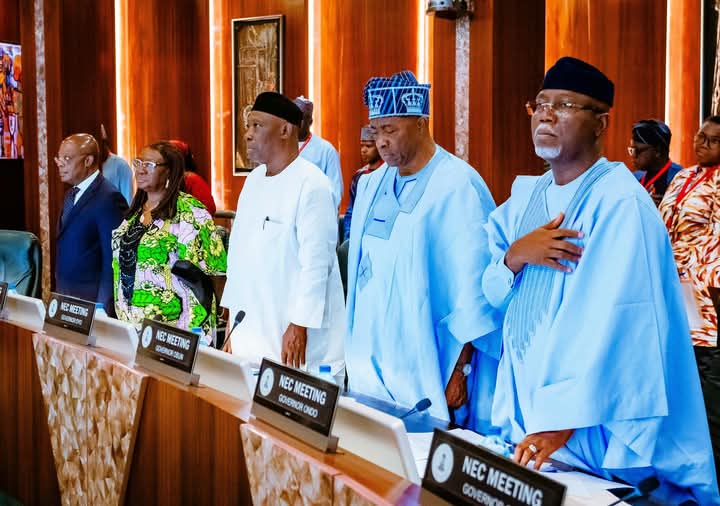
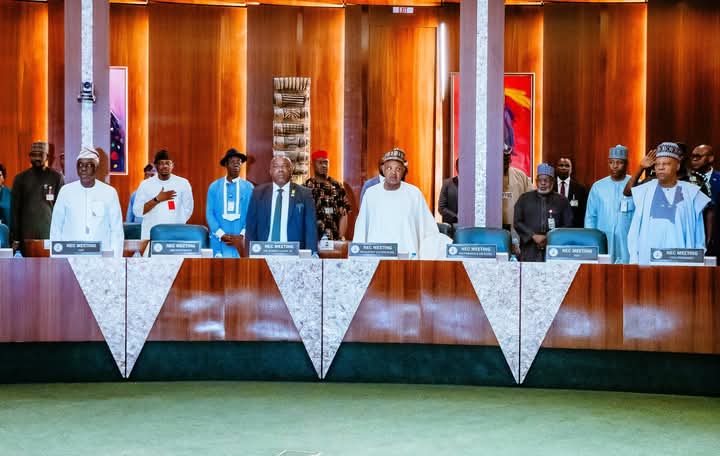
NEC also approved the establishment of the Green Imperative Project national office in Abuja and regional offices across the six geopolitical zones. The council observed a minute of silence for victims of the recent killings in Benue and Plateau States, expressing condolences for the people and governments of the affected states.
Other highlights of the meeting include updates on account balances, presentation on skill development in Nigeria, and presentation on Nigeria Livestock Growth Acceleration Strategy. Council approved key recommendations in the presentations and urged State governors to take advantage of emerging opportunities to train and mentor youths in digital education and skill acquisition.