
Ghana and other African nations are being urged to tighten their spending and improve financial discipline as the global economy faces rising risks.
The call comes from the International Monetary Fund (IMF), which warned that many African countries could face setbacks if they fail to act swiftly.
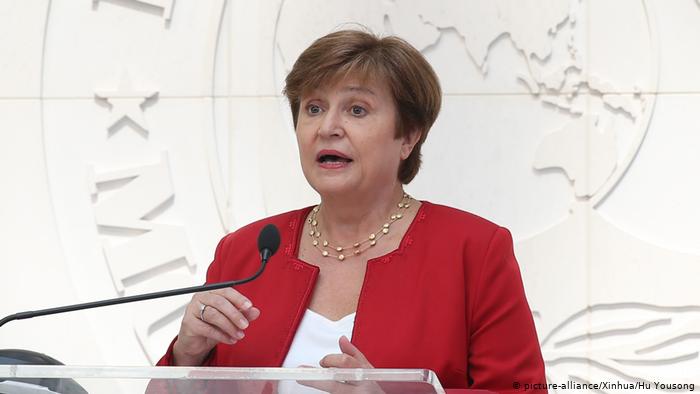
The message was delivered during the IMF-World Bank Spring Meetings, where IMF Managing Director Kristalina Georgieva outlined the challenges ahead. While she acknowledged Africa’s potential, she pointed out that low-income and conflict-affected countries are especially vulnerable to global disruptions, including weakening demand and financial market pressures.
Recent global shocks have affected African economies in different ways. Oil-exporting nations like Nigeria are grappling with falling crude prices, which reduce revenue and strain budgets. On the other hand, oil-importing countries such as Ghana benefit from lower energy costs but face other pressures, including inflation and currency weakness.
In response to these conditions, Ghana recently raised interest rates after nearly three years, while other nations like Egypt have chosen to lower theirs. This reflects the varying challenges and policy choices across the continent. The IMF emphasized that countries must craft their own monetary strategies based on local conditions rather than follow regional trends.
The IMF also laid out specific actions for governments to improve their economies. These include broadening tax collection systems, reducing tax evasion, and using digital tools to boost revenue. Ms Georgieva encouraged leaders to build financial reserves to better withstand future economic shocks, stressing that waiting to act could worsen the situation.
Beyond financial discipline, the IMF pointed to governance and cooperation as key to Africa’s success. Corruption and instability in one country can spill over and affect neighboring states. This makes strong leadership and transparent governance critical.
Trade was another area the IMF highlighted. It encouraged countries to take full advantage of the African Continental Free Trade Area (AfCFTA) by removing obstacles that slow down commerce. Better roads, ports, and customs systems can help countries grow together, instead of apart.
For Ghana, the IMF’s advice means staying focused on controlling inflation, managing public debt, and sticking to long-term economic reforms. The country must also find ways to benefit more from regional trade and tap into its young population and natural resources.
Despite the challenges, the IMF remains hopeful about Africa’s future. With a growing workforce and vast potential, the continent could play a major role in the global economy. But that will require serious efforts today to ensure a more stable tomorrow.