
A new wave of protest music tied to the Palestinian cause is spreading fast among Arab youth, giving rise to a cultural shift that mirrors past moments of global unrest.
This movement is energising young people across the Middle East and beyond, fueling political awareness and shaking up the music industry.
The rise of this trend was sparked by the ongoing war in Gaza. As images of destruction and loss pour in, young people have turned to music as a form of protest and self-expression. Rap and hip-hop, in particular, have become powerful tools to call out injustice and demand change. Artists are producing bold lyrics that take aim at world leaders, Zionist influence, and the silence of their own governments.
Many of these young voices have grown up in countries where political speech is restricted and public dissent is risky. Now, armed with beats and rhymes, they are building a cultural rebellion. With over 60 percent of the Arab population under 30, this music has found a massive and eager audience. Their songs are not just about war—they are about identity, betrayal, and a longing for justice.
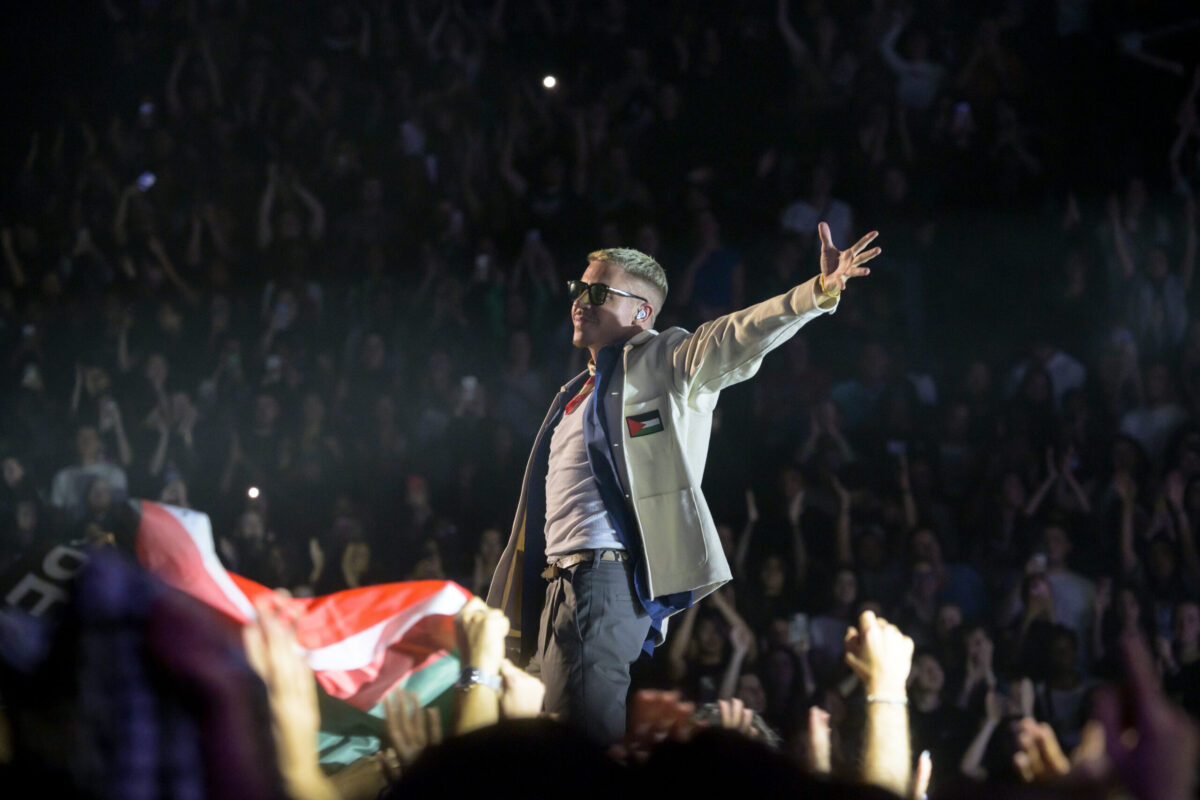
Musicians like American rapper Macklemore have joined in, releasing songs in solidarity with Palestinians. His track “Hind’s Hall,” named after a protest-occupied campus building, was widely shared online. It sends a message of resistance and support for Palestinian liberation. The proceeds are being directed to humanitarian efforts.
While global artists speak out, young Arabs are also growing critical of the silence from their own leaders. Across the region, many feel abandoned by governments unwilling to condemn the violence in Gaza. For them, the music fills a void left by failed diplomacy. It’s a way to speak truths that have long been kept out of classrooms and news reports.
This new form of protest has not gone unnoticed by those in power. Music platforms, event organizers, and pro-Israel lobbying groups have responded by targeting outspoken artists. Performers like Lowkey have faced cancellations and restrictions, accused of being too political or too controversial. Yet history shows that music and rebellion often walk hand in hand. From Punk rock in 1970s Britain to anti-war anthems in the U.S., protest songs have always drawn backlash from the establishment.
Even within the music industry, there is conflict. Labels and executives are unsure how to handle the surge of unapologetically political tracks. Some want to profit from the movement, while others fear losing influence or facing public criticism. As a result, many emerging artists have turned to independent channels to distribute their work and build followings.
This movement mirrors the past. In Ireland, during the Troubles, music became a voice for young people living under constant tension. Today, youth in Gaza and across the Arab world are doing the same. Their songs are raw, defiant, and deeply personal. They speak of sorrow, rage, and the dream of peace.
Through this new wave of protest music, a generation long ignored is now being heard. Their message is clear: the time for silence is over.