
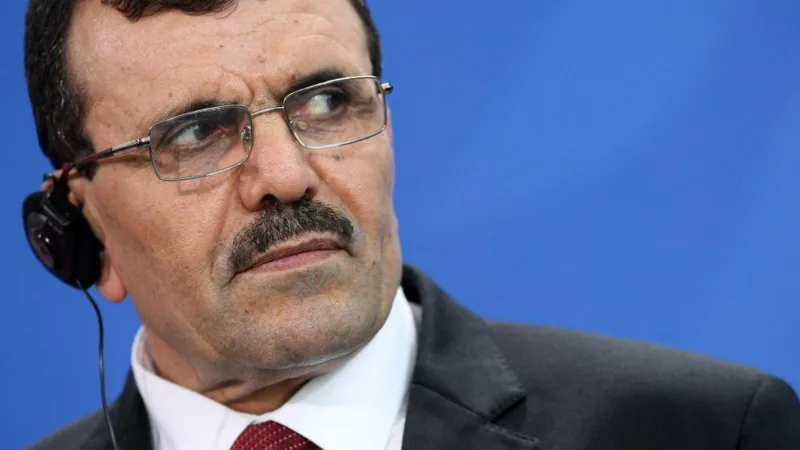
A Tunisian court has sentenced former Prime Minister Ali Laarayedh to 34 years in prison on terrorism-related charges, intensifying concerns over the country’s political climate and the growing number of opposition figures being jailed.
Laarayedh, now 69, served as prime minister about a decade ago and is a senior member of the Ennahda party, once the most influential political movement in Tunisia’s post-revolution parliament. He has long criticized President Kais Saied and rejected all allegations against him, calling the charges politically driven.
The court found Laarayedh and seven others guilty of creating a terrorist cell and helping Tunisian youth travel abroad to join Islamist groups in Syria and Iraq. The trial concluded on Friday, more than three years after Laarayedh’s arrest.
Supporters of the former prime minister insist that the charges are fabricated and reflect a broader pattern under President Saied’s rule. They argue that the case is part of a wider crackdown targeting political opponents, journalists, and civil society figures.
In recent months, Tunisian authorities have imprisoned at least 40 critics of the president, including former officials, lawyers, and members of the media. Rights groups and international observers say the wave of arrests marks a dangerous retreat from the democratic principles that followed Tunisia’s 2011 revolution.
President Saied, a former law professor elected in 2019, has significantly expanded his powers since dissolving parliament in 2021. He later introduced a new constitution that gives his office wide-ranging authority, reducing checks from the judiciary and legislature.
The arrest and sentencing of Laarayedh have drawn condemnation from human rights organizations. Human Rights Watch previously described the case as part of a campaign to discredit and silence the Ennahda party and its allies.
Ennahda played a key role in Tunisia’s early democratic transition after the Arab Spring, which began in the country in 2011 following protests sparked by the self-immolation of Mohamed Bouazizi, a street vendor protesting corruption and poverty. The uprising led to the ousting of long-time ruler Zine El Abidine Ben Ali and inspired revolts across the Arab world.
Today, many Tunisians fear those hard-won democratic freedoms are slipping away. With growing economic pressure, rising authoritarianism, and a president who dismisses international criticism, Tunisia’s political future remains uncertain.
Despite global concern, President Saied maintains his position, arguing that he is working to defend the country from what he calls “traitors” and denouncing outside influence in Tunisia’s affairs.