
Ukrainian President Volodymyr Zelensky has agreed to meet Russian President Vladimir Putin for direct talks in Turkey this week, after Moscow dismissed a joint call from Western nations for an immediate ceasefire in Ukraine.
The decision follows rising international pressure and a shift in stance from the United States, where President Donald Trump urged Ukraine to accept the invitation without delay.
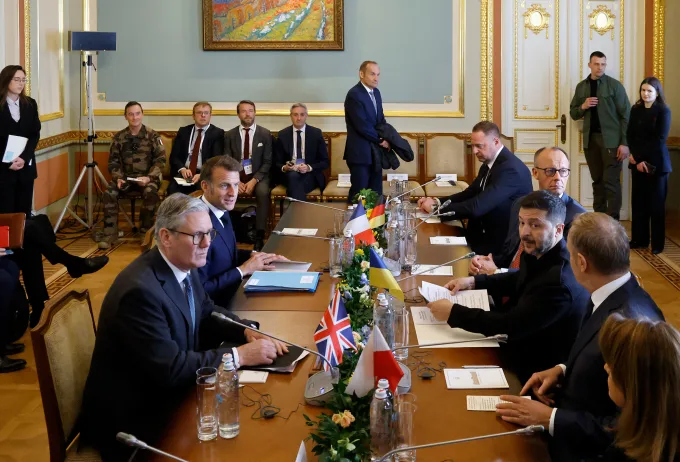
The meeting is scheduled for Thursday in Istanbul and could be the first face-to-face encounter between the two leaders since the full-scale war began in 2022. This latest move comes after key European leaders gathered in Kyiv to present Russia with a Monday deadline to stop its military campaign for 30 days or face a new wave of sanctions. Instead of responding directly to that demand, Putin proposed peace talks in Turkey over the weekend.
Zelensky had initially shown hesitation, wanting Russia to agree to a ceasefire before talks began. But pressure mounted quickly, especially after Trump made a public appeal for Ukraine to accept the offer. Within hours, Zelensky announced he was ready to attend the meeting in person. His statement did not mention any conditions, suggesting the possibility of a diplomatic opening even without the ceasefire in place.
Leaders from France, Germany, Poland, and the UK had supported Ukraine’s earlier position, insisting that any peace talks should begin only after the guns fall silent. They argue that agreeing to talks while fighting continues could weaken Ukraine’s position and allow Russia to delay international consequences. However, Trump’s push shifted attention to the upcoming meeting, creating a divide among Ukraine’s backers.
This development has put Ukraine in a difficult position. If Zelensky refuses to attend, he risks criticism from Trump and others who see talks as a path to peace. On the other hand, agreeing to sit down with Putin while attacks continue could be seen as compromising too soon. With European leaders still expecting a ceasefire by Monday, it is unclear whether they will follow through on threats of harsher sanctions if fighting continues.
Turkey, which has played a balancing role since the war began, has already confirmed it is prepared to host the talks. President Recep Tayyip Erdoğan spoke with Putin and welcomed the idea of hosting both sides in Istanbul. It would be the first such meeting between the two leaders in over two years, marking a potential turning point—though many remain cautious about the outcome.
Whether the meeting will lead to meaningful progress remains uncertain. Previous efforts at diplomacy have fallen apart due to mistrust and continued violence. This time, the circumstances are different, with direct involvement from the US and a renewed push from several sides to at least start talking again. Still, questions remain about whether Russia is genuinely interested in ending the conflict or simply looking to ease international pressure without changing its actions on the ground.
As the world watches closely, the next few days will show whether the talks in Turkey offer a real chance at progress or just another pause in a long and painful war.