
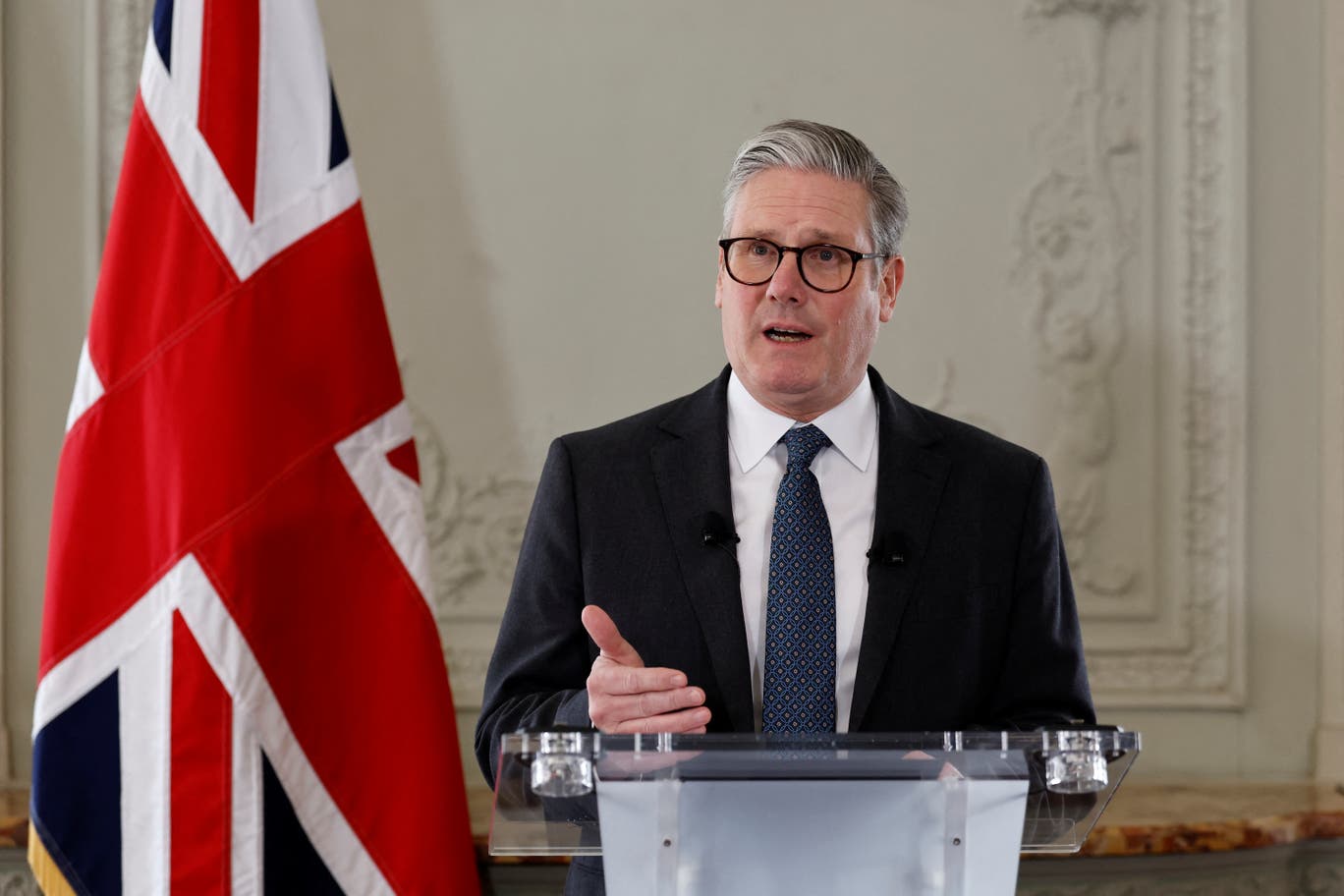
Migrants hoping to settle in the UK will now face tougher requirements under a new immigration plan introduced by Prime Minister Keir Starmer’s Labour government.
The new policy focuses on reducing net migration and is being introduced as public concern over immigration grows, especially after the Reform party’s strong performance in recent local elections.
The plan was announced ahead of the release of a new white paper on migration. It brings major changes to the immigration process, with Starmer stating that those who want to live in the UK must now “earn the right” to stay. This includes a longer wait for permanent residency and stricter integration requirements. The move comes as net migration topped 900,000 in 2023, sparking debates about pressure on housing, jobs, and public services.
Under the new rules, migrants must now wait 10 years, not five, before they can apply for permanent residency—unless they prove they’ve made a significant contribution to the country. Professions like nursing, engineering, and artificial intelligence will be considered for faster processing. In addition, a major shift will see a ban on recruiting care workers from overseas, aiming to force employers to invest more in training local workers.
Another key part of the plan is language. For the first time, all adult dependents of migrants will be required to show basic English skills before entering the UK. This applies to workers and families alike, as the government seeks to promote integration and reduce reliance on translation services. Officials argue that language skills are essential for both community cohesion and employment.
The Labour government is also pushing businesses to change the way they hire. Companies applying for visas will need to show that they are actively training British staff and boosting local skill levels. Workers entering the UK through the skilled visa route will now be expected to hold at least a university degree. These changes are meant to discourage the use of cheap overseas labour and encourage long-term investment in the British workforce.
Ministers plan to back up the reforms with stronger enforcement. There will be more deportations of foreign nationals convicted of crimes, and digital identification will become mandatory for overseas citizens living in the UK. The government believes these steps will improve border control and reduce illegal activity.
At the international level, Foreign Secretary David Lammy has directed UK diplomats to raise migration issues at every major global meeting and summit. This includes talks on cooperation with other countries to manage migration routes, return policies, and joint enforcement operations. The Foreign Office will play a larger role in shaping the UK’s immigration strategy moving forward.
In total, the policy signals a new direction for the UK. Starmer’s government says it wants a fair, selective, and controlled immigration system. By demanding greater contributions from newcomers and limiting access to benefits like permanent residency, Labour hopes to address public frustration with the current system. The plan also positions the government in contrast to previous Conservative policies, which Labour claims failed to manage immigration effectively.
As the UK faces ongoing challenges in housing, healthcare, and employment, immigration is expected to remain a top issue in both public debate and future elections. The government insists the new model will reduce net migration, support British workers, and ease pressure on services. Whether it delivers on those promises remains to be seen.