
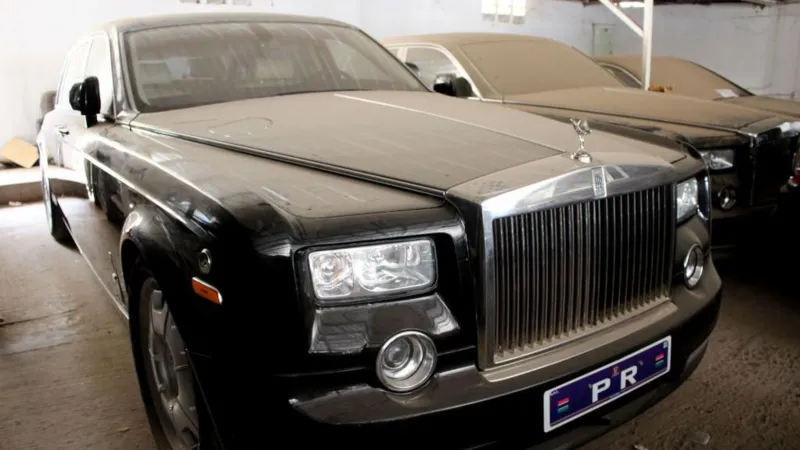
The Gambian government has launched an investigation into the sale of assets seized from former President Yahya Jammeh, after public outcry over how these items were handled.
The assets, which include luxury cars, livestock, land, and boats, were meant to be under state control following findings of massive corruption during Jammeh’s rule. But fresh claims of irregular sales have stirred anger across the country.
The issue came to light after a local newspaper, The Republic, published an investigative report alleging that some high-ranking officials had sold Jammeh’s assets at low prices to friends, family members, and themselves. The report quickly spread on social media, prompting street protests in the capital Banjul. Demonstrators, including journalists, were arrested but later released.
During a national address, President Adama Barrow promised a transparent probe into the asset sales. He said he had called a cabinet meeting after learning about certain transactions only recently. Barrow assured the public that the government would publish all findings and act on the recommendations of both the National Audit Office and parliament.
However, many Gambians remain skeptical. Critics argue that parliament, which is dominated by members of the ruling party, cannot be trusted to investigate its own. Some opposition figures and civil society groups have called for an independent probe. Rights groups are also urging Barrow to halt further sales until the investigation is complete.
The Janneh Commission, set up in 2017 to examine Jammeh’s financial dealings, previously found that the ex-leader had siphoned off at least $360 million. The panel recommended the seizure of a wide range of his assets. Many of these items were later sold through a government taskforce, but the recent scandal questions how those sales were carried out.
The government has since released a list of sold assets, including livestock, household goods, construction machinery, and several vehicles. But it made no mention of some of Jammeh’s more expensive possessions—such as a Rolls-Royce and Bentley—raising further doubts. It’s unclear whether those were sold, hidden, or taken to Equatorial Guinea, where Jammeh has lived in exile since 2017.
Officials claim the sales followed legal procedures and were conducted in the public interest. The justice ministry insisted everything was done lawfully. Still, the lack of detailed explanations about pricing and missing items has only fueled public frustration.
President Barrow has said that anyone found responsible for wrongdoing will be held accountable. But opposition parties and watchdog groups argue that talk alone is not enough. They are demanding swift action and real consequences for any abuse of public resources.
Jammeh ruled Gambia for 22 years, gaining notoriety for both financial corruption and human rights abuses. In addition to the local investigations, international efforts have also uncovered more about his wealth. In 2022, US authorities seized a mansion in Maryland believed to have been purchased with stolen funds. They also found that Jammeh had managed hundreds of bank accounts and owned hundreds of properties during his time in office.
As the Gambia waits for answers, pressure continues to mount on the government to deliver justice and protect the nation’s resources from further misuse.