
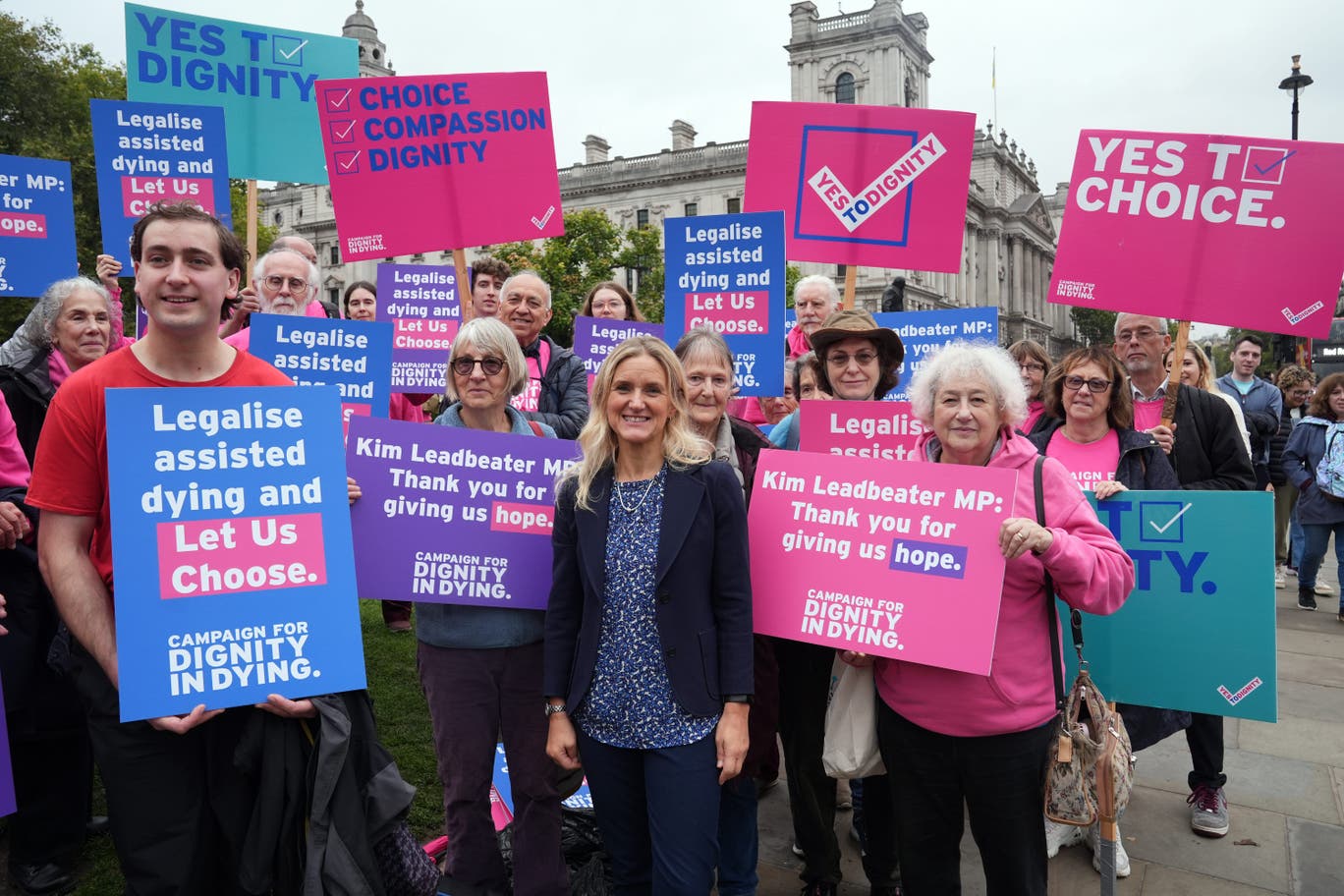
A bill proposing to legalize assisted dying for terminally ill adults in England and Wales is back in the spotlight as it returns to the House of Commons.
Introduced by Labour MP Kim Leadbeater, the legislation has sparked widespread discussion and division across political and medical communities. All MPs will now have the opportunity to debate and vote on the bill and its amendments.
The bill seeks to allow mentally competent adults with a terminal diagnosis of six months or less to choose an assisted death, provided their decision is approved by two doctors and a new review panel. This panel would include a senior legal official, a psychiatrist, and a social worker, replacing the original requirement for High Court approval. If passed, the law would take up to four years to fully implement.
This move follows the initial Commons vote in November 2024, where the bill passed its first hurdle with 330 MPs in support and 275 opposed. Since then, more than 150 amendments have been made during the committee stage, reflecting both growing interest and strong concerns over its implications.
While the bill aims to offer a controlled and legal framework for assisted dying, it continues to divide opinions. Supporters argue that it gives terminally ill patients the dignity to make their own end-of-life decisions, free from prolonged suffering. They describe it as a compassionate choice for those facing unbearable pain and limited time.
Opponents, however, raise deep concerns about potential risks. Organizations like Care Not Killing warn that the law could pressure vulnerable individuals—including the elderly, disabled, or mentally ill—to end their lives prematurely. They fear it could become a dangerous alternative to strengthening palliative care services, and that some may feel like a burden to their families or caregivers.
The Royal College of Psychiatrists has also expressed unease, stating that the bill places significant pressure on psychiatric services. They point to the shortage of psychiatrists and potential gaps in safeguarding individuals with mental health issues as reasons for withholding support at this stage.
Currently, assisted suicide remains illegal in England, Wales, and Northern Ireland, carrying a maximum sentence of 14 years in prison. Scotland treats the issue differently, though assisting a death can still lead to serious criminal charges.
As MPs prepare for the next round of debate, the outcome remains uncertain. While some lawmakers are swayed by the bill’s updated review system, others are concerned that the removal of court oversight weakens protections. What’s clear is that this legislation has reignited one of the most sensitive and personal discussions in British politics—what choices people should have at the end of their lives.
The upcoming vote could shape how the country approaches end-of-life care for years to come. Whether it becomes law or not, the bill has already forced a national reckoning over dignity, autonomy, and the role of the state in life’s final chapter.