
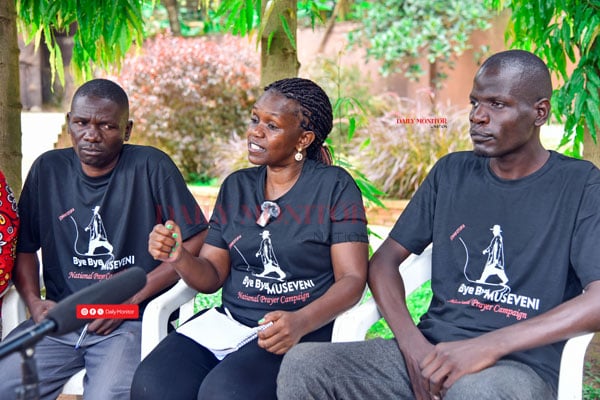
In a bold spiritual move, a group of young Ugandan activists has announced a 40-day nationwide prayer campaign calling for an end to President Yoweri Museveni’s decades-long rule.
The campaign, dubbed Bye Bye Museveni, is set to begin on June 1, 2025, and aims to rally Ugandans from all backgrounds to seek divine intervention ahead of the 2026 general elections.
Spearheaded by activist Agnes Namaganda, the campaign encourages daily morning prayers from citizens across the country, each session led by a randomly chosen individual. The activists believe this spiritual approach is the last hope to break what they see as a cycle of suffering, corruption, and human rights abuses that have persisted since Museveni came to power in 1986.
During the launch event in Kampala, Namaganda expressed deep frustration over the state of the country, pointing to widespread poverty, crumbling health services, poor infrastructure, and political repression. She called on citizens of all faiths—including traditional spiritual leaders—to join hands in petitioning for new leadership and a fresh start for Uganda.
The activists argue that Uganda has endured enough under Museveni’s leadership, which they say has been marked by impunity, vote rigging, and harsh treatment of critics. They describe the prayer campaign not only as a religious act but also as a form of protest and a call for national reflection.
The group is urging people to pray from wherever they can—homes, quiet corners, or even private spaces like bathrooms—believing that each heartfelt plea will bring the nation closer to change. They emphasize that this is not a political rally but a cry for justice through spiritual unity.
Namaganda warned that without change, Uganda risks falling further into despair. She accused the ruling government of silencing dissent and failing to deliver on promises made nearly 40 years ago. “This is a cry from the soul of the nation,” she said, urging both citizens and leaders to examine their conscience.
In response, Emmanuel Dombo, the spokesperson for the ruling National Resistance Movement (NRM), dismissed the campaign. He said that leadership comes from God and warned against using religion for political purposes. Dombo insisted that Museveni has brought stability and progress to Uganda, and expressed confidence that those praying would eventually come to appreciate his legacy.
Despite criticism, the activists are pressing ahead, confident that their prayers can influence the outcome of the next election. As the countdown to 2026 continues, this campaign adds a new and unexpected chapter to Uganda’s complex political landscape—one where faith and politics are now deeply intertwined.