
Sudan’s military says it has regained full control of Khartoum state after two years of brutal fighting with the paramilitary Rapid Support Forces (RSF).
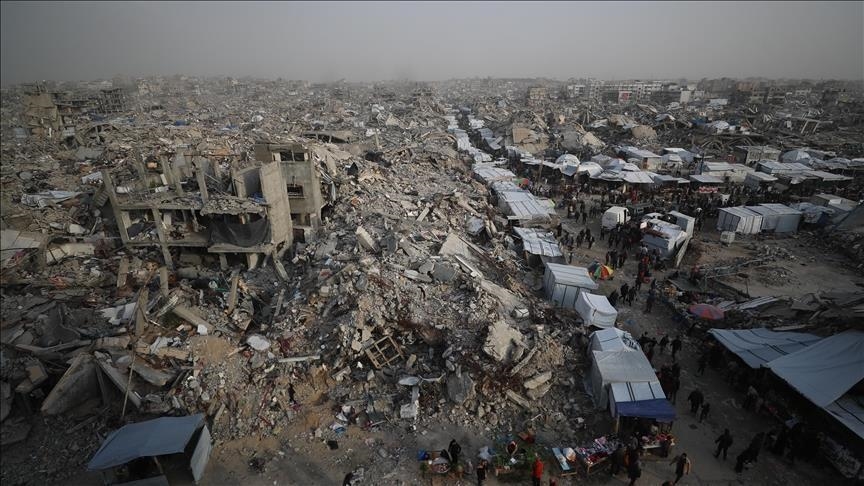
The claim marks a major shift in the ongoing civil war that has devastated the capital and displaced millions.
The announcement was released through Sudan’s state news agency on Tuesday, declaring that Khartoum state is now entirely cleared of rebel forces. This includes the capital city of Khartoum, which the army recaptured nearly two months ago, including key sites like the presidential palace.
Despite this declaration, fighting continued earlier the same day in the city of Omdurman—part of the capital region—highlighting the unstable and shifting nature of the conflict. On Monday, the army launched what it called a “large-scale offensive” to push RSF fighters out of remaining pockets in Omdurman, according to international reports.
The RSF has not yet responded to the army’s latest statement. In past months, the group had taken control of large parts of the capital, forcing military leaders to relocate the government to Port Sudan on the Red Sea.
Port Sudan, once a safe zone, is now under threat too. It came under a drone attack earlier this month, which the military blamed on the RSF. The attack damaged infrastructure and worsened living conditions with power cuts and water shortages, further stretching a population already suffering under war conditions.
The war’s impact goes far beyond battlefield control. Sudan has accused the United Arab Emirates of supporting the RSF and blamed it for the recent attack on Port Sudan. The UAE has denied all accusations, calling them baseless. This diplomatic tension is further isolating Sudan, complicating any path to peace.
The civil war, which began three years ago, has killed thousands and displaced millions. It has become one of the world’s worst humanitarian crises. International aid agencies continue to struggle to access areas affected by fighting. Meanwhile, both sides in the conflict—Sudan’s military and the RSF—face accusations of war crimes, which they have denied.
As the military tightens its grip on Khartoum, attention is shifting to whether this will signal the end of major hostilities or if the conflict will simply move to new battlegrounds. For the millions affected by war, peace remains uncertain and the humanitarian emergency grows more severe by the day.