
A shocking crime that gripped Pakistan and sparked national protests has reached its final legal chapter.
The Supreme Court has confirmed the death sentence of Zahir Jaffer, a wealthy American-Pakistani man found guilty of murdering his former girlfriend, Noor Mukaddam, in a case that stirred deep anger over violence against women in the country.
The ruling was delivered by a three-judge panel led by Justice Hashim Kakar. The court rejected Jaffer’s appeals and upheld his 2022 death sentence for Noor’s murder. However, it reduced his rape sentence to life in prison. The decision brings a sense of closure to a case that many saw as a test of Pakistan’s justice system.
The events leading to the crime began on the night of 20 July 2021, when Noor, a 27-year-old daughter of a former ambassador, was lured to Jaffer’s home in Islamabad. Investigations revealed she was held against her will, beaten, raped, and ultimately beheaded. Surveillance footage and witness accounts showed she tried to flee several times but was stopped by house staff. Both a guard and a gardener were later sentenced to 10 years in prison for helping Jaffer.
Jaffer’s defense argued he was mentally unstable, claiming no psychiatric evaluation had been done to support or disprove their claim. But the court found no grounds to overturn the sentence based on those arguments.
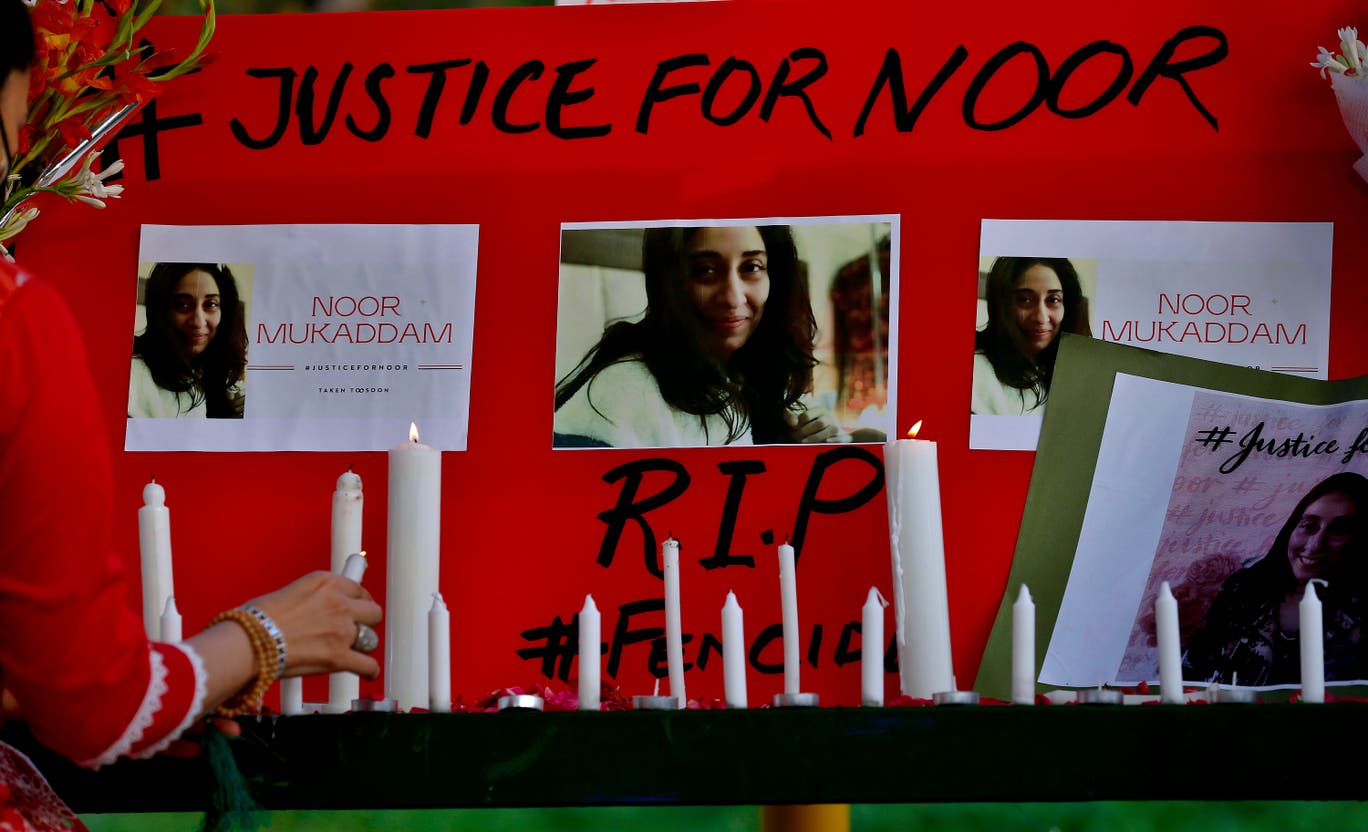
Noor’s murder triggered widespread protests and candlelight vigils across Pakistan. Women’s rights groups and ordinary citizens demanded justice, frustrated by a system where most cases of gender-based violence go unpunished. Statistics from legal aid organizations show that fewer than 3% of those accused in such crimes are ever convicted.
The ruling has been welcomed by women’s rights advocates and those close to Noor. Friends say the verdict restores some faith in the legal system and sends a clear message that no one is above the law, regardless of wealth or influence. Legal experts also view it as a rare moment of accountability in cases involving powerful defendants.
While the decision does not erase the pain of Noor’s murder, many hope it becomes a turning point in Pakistan’s slow battle against violence rooted in gender and power. For many, this case is no longer just about one victim—it’s about the right of all women in Pakistan to feel safe and protected by the law.