
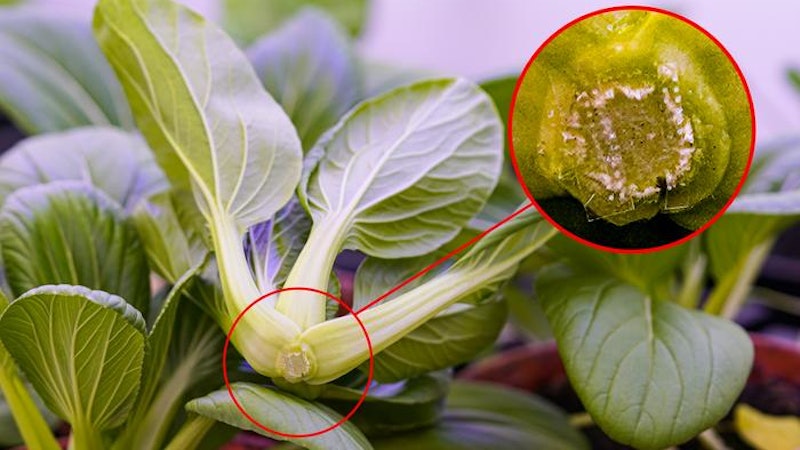
Researchers from MIT and the Singapore-MIT Alliance for Research and Technology (SMART) have developed an innovative method to extend the shelf life of vegetables using biodegradable microneedles that inject melatonin directly into the plant tissues.
The discovery could help reduce global food waste, which currently affects over 30 percent of all harvested food—enough to feed more than a billion people. Traditional refrigeration, while widely used, is often not accessible in many parts of the world due to high costs and infrastructure limitations.
The new solution involves microneedles made from silk fibroin, a biodegradable and nontoxic protein. These tiny needles can penetrate the outer skin of vegetables without causing damage or triggering a stress response. Once inserted, they deliver a precise amount of melatonin, a natural plant hormone that helps regulate growth and delay aging.
Researchers applied the technique to pak choy, a leafy green vegetable commonly eaten in Asia. The process involved attaching a patch of melatonin-filled microneedles to the base of the vegetable, allowing the hormone to reach its internal vascular system. Tests showed that this method increased the shelf life of the vegetable by up to four days at room temperature and ten days in refrigerated conditions.
Without treatment, pak choy leaves typically began yellowing within three days. But with the microneedle application, the vegetables retained their green color and freshness for significantly longer. At room temperature, the treated vegetables remained visually marketable until at least the eighth day. Under refrigeration, they stayed green and firm for nearly four weeks.
Unlike traditional preservation methods like spraying or dipping, which did not impact shelf life in their tests, the microneedles were far more effective because they ensured direct hormone delivery into the plant’s vascular system. This method also reduces waste by avoiding unnecessary chemical application and minimizing contact with non-target areas.
The research team has been exploring silk microneedles for years in other agricultural applications such as nutrient delivery and crop monitoring. The microneedles used in this study are simple to apply and could be scaled up for commercial use, offering a practical way to reduce food loss during transport and storage.
As the global population grows and food security becomes more urgent, this technology could offer a valuable tool for preserving fresh produce and improving access to healthy food, especially in areas without reliable refrigeration.