
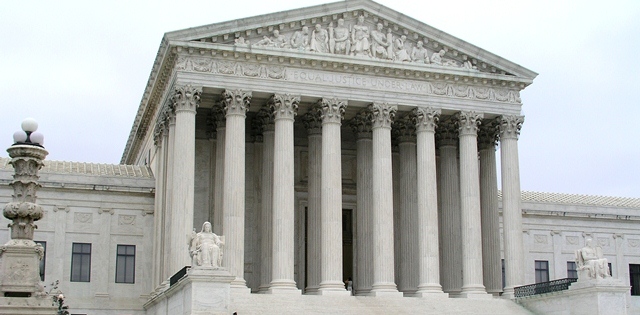
The United States Supreme Court has blocked Oklahoma from using public funds to support a religious charter school, marking a major development in the debate over the separation of church and state in education.
The case centered around St Isidore of Seville Virtual Catholic Charter School, which was approved by a state board in 2023 to receive about $23 million in taxpayer money over five years. The school, backed by the Catholic Archdiocese of Oklahoma City and the Diocese of Tulsa, planned to offer online classes with Catholic teachings for students from kindergarten through high school.
The Supreme Court’s decision came after a 4–4 split among the justices, meaning the earlier ruling from the Oklahoma Supreme Court will stand. That court had declared that using public money for a religious charter school violates the U.S. Constitution. Justice Amy Coney Barrett recused herself from the case, leaving an even number of justices to vote. The court issued only a brief one-page order confirming the tie, with no opinion explaining the decision.
Though this ruling affects only Oklahoma, it could shape future legal challenges across the country. Charter schools are publicly funded but independently operated, and this would have been the first in the U.S. to offer religious education using state dollars. That raised constitutional concerns about public funding being used to support religious institutions.
Oklahoma Attorney General Gentner Drummond, who filed the lawsuit against the school board, praised the ruling. He argued that allowing public money to go to religious charter schools could open the door to taxpayer-funded schools operated by all faiths, including potentially controversial ones. Drummond said the decision protects both taxpayers and religious freedom.
Supporters of the school saw things differently. They said that rejecting the school’s charter status simply because it was Catholic amounted to religious discrimination. They argued that parents should have the freedom to choose a faith-based education for their children, even when supported by public funds.
The legal dispute sparked strong reactions from state officials. Governor Kevin Stitt supported the school’s approval, framing it as part of a broader push for school choice. But Drummond and other critics warned that funding a religious school with public money would cross a legal line that has long existed in U.S. law.
The First Amendment to the Constitution prohibits the government from establishing a national religion or favoring one religion over another. For decades, that principle has been interpreted to prevent public funds from going to religious organizations, especially in the education system.
The controversy also highlighted deeper political divides over education in the U.S. Under President Donald Trump, education secretary Linda McMahon has promoted alternatives to public schools, favoring charter and private options that give families more control over their children’s schooling.
Although the court’s tie decision means no national legal precedent has been set, the case is likely not the last of its kind. Other states may face similar battles as debates over school choice, religious freedom, and public funding continue to grow.
For now, Oklahoma’s attempt to launch the country’s first religious charter school has been stopped. What happens next may depend on future court cases—and the broader national conversation about the role of religion in publicly funded education.