
Rice prices in Japan have soared by 98 percent compared to the same time last year, creating frustration for consumers and raising new problems for the government.
Inflation data released this week confirmed the steep rise, pointing to months of growing pressure on a food staple that holds deep cultural and economic value across the country.
The sharp increase in rice prices has been traced mainly to shortages caused by last summer’s extreme heat, which damaged crops across large parts of the country. That poor harvest was followed by a sudden spike in demand in early 2024, as fears of a major earthquake sparked a wave of panic buying. Tourists returning in large numbers have also played a part by boosting demand for popular rice-based foods like sushi.
For years, Japan has steadily reduced the amount of land used for growing rice, believing the country no longer needed as much as before. Government policies encouraged farmers to switch to other crops, even as many of them aged and younger generations chose different careers. Today, nearly nine out of ten rice farms are run by people over 60, and most have no clear successor. As a result, rice farming has shrunk, with land used for rice falling by over a million hectares since the 1960s.
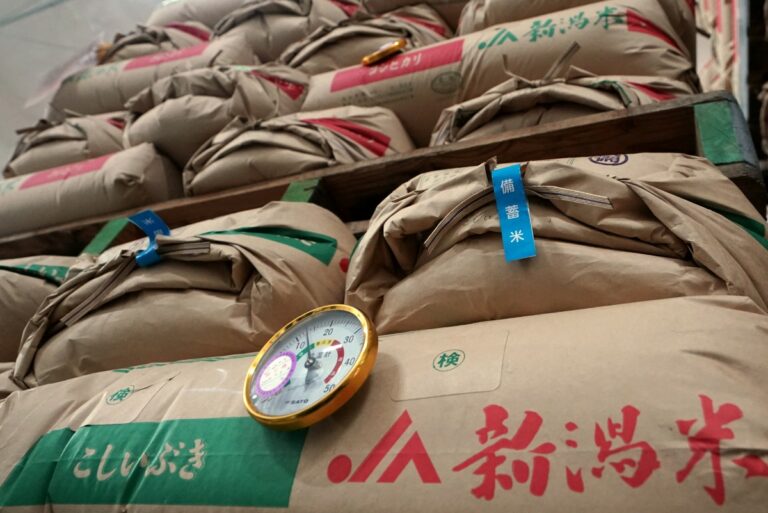
To ease the pressure, the government began releasing rice from its emergency stockpiles in February. These reserves were originally built for use during disasters, but this is the first time supply chain issues have triggered their release. However, the move has not helped much. Experts say the stored rice is mostly used in blended products, while consumer demand is focused on branded and regional varieties, which continue to rise in price.
The growing cost of rice has added to public anger over rising living costs. The ruling Liberal Democratic Party has been feeling the heat, especially after losing its majority last year. Recent comments from former farm minister Taku Eto stirred outrage when he suggested he never had to buy rice himself thanks to donations. The backlash forced his resignation and deepened the sense that the government is disconnected from everyday struggles.
Despite the pressure, there are signs that prices may soon start to level out. Weekly price tracking suggests the market may be calming, though shoppers have yet to feel any relief. Until then, many in Japan are adjusting their habits, switching to cheaper alternatives or buying in smaller amounts as the country waits for the rice supply to catch up.