
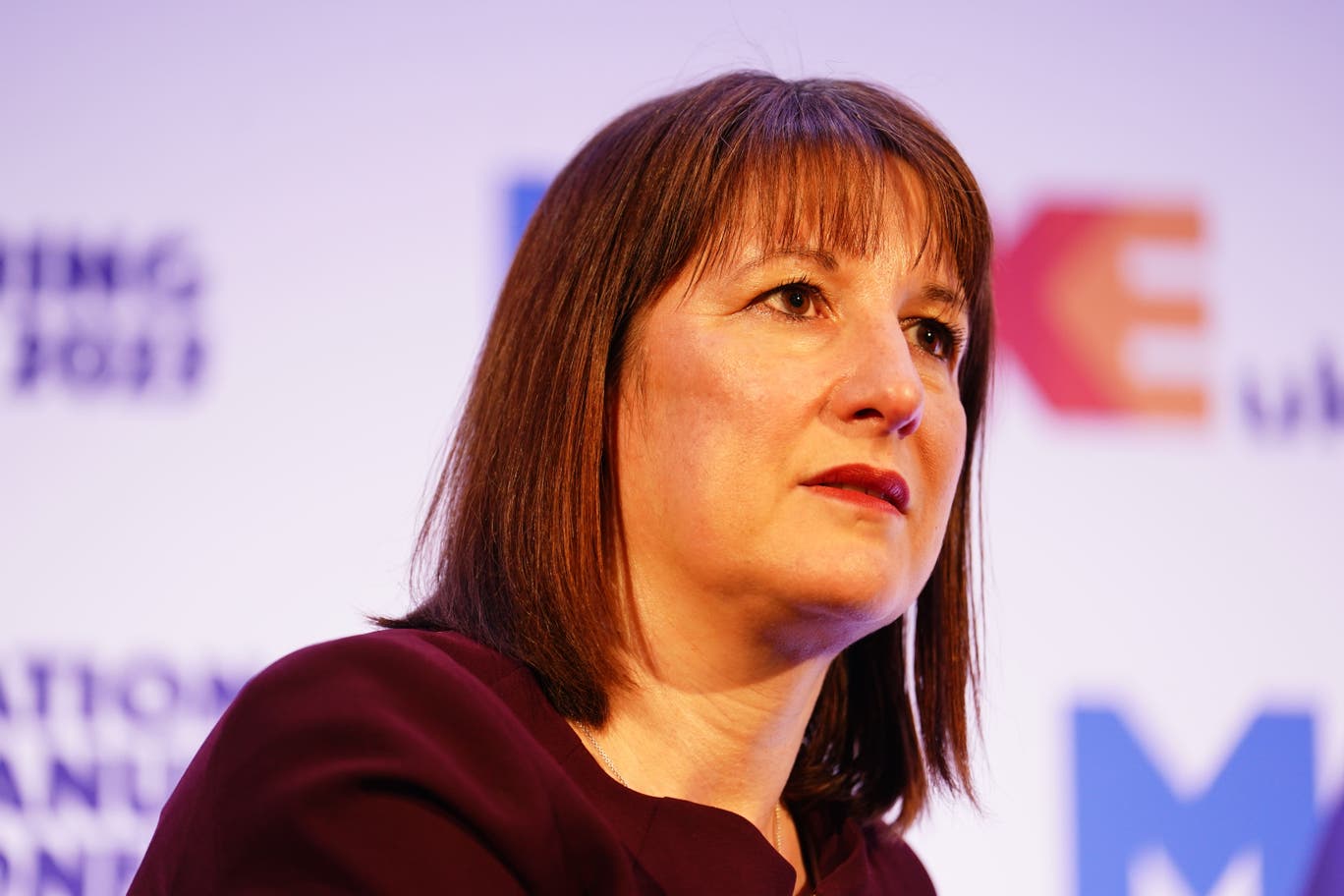
As Chancellor Rachel Reeves prepares for a critical spending review, former Treasury minister Jim O’Neill has warned against using any unexpected budget flexibility to fund political U-turns.
Instead, he urged Reeves to prioritize “positive multiplier investments” that stimulate long-term economic growth, such as the Northern Powerhouse Rail project.
Lord O’Neill, once a Conservative and later an adviser to Reeves, told The Independent that backing down on key welfare policies — including the two-child benefit cap, disability payment changes, and winter fuel support for pensioners — may be driven more by short-term politics than sound economics. “I would like to see any money available… spent on positive multiplier investments,” he said, referring to projects that return more than £1 in value for every pound spent.
His comments come as the Labour government faces growing internal and external pressure to reverse several controversial policies inherited from the Conservatives. While Reeves and Prime Minister Keir Starmer have vowed to prioritize economic growth, political momentum is building within Labour to scrap the deeply unpopular two-child cap and boost winter fuel aid for pensioners — a potential combined cost of £5 billion.
Though Reeves is reportedly under strain to fund these changes, recently improved GDP figures have given Labour slightly more fiscal room than expected. Still, critics warn that spreading resources too thinly across politically sensitive reversals could undermine the broader mission to invest in infrastructure and job creation.
The upcoming budget is expected to include £113 billion earmarked for capital investment — funds Reeves has said will help “transform the country’s housing and infrastructure.” Lord O’Neill emphasized that such investment should pass through Nista (the National Infrastructure and Service Transformation Authority) to ensure projects meet economic benefit thresholds.
O’Neill’s preferred project, the long-awaited Northern Powerhouse Rail, would improve connectivity between major northern cities, many of which still face slower travel times between each other than to London or even Paris.
Meanwhile, the government has signaled it is listening to public and political feedback. Care Minister Karin Smyth told BBC Radio 5 Live that policy reviews are underway, noting the difficulty of balancing compassion with fiscal responsibility: “We know government is hard, and I think listening… and weighing up the impacts is vital.”
As Reeves finalizes her spending review, she faces a pivotal decision: stick to Labour’s growth-first agenda or bend to pressure for social spending U-turns that could erode her economic credibility.