
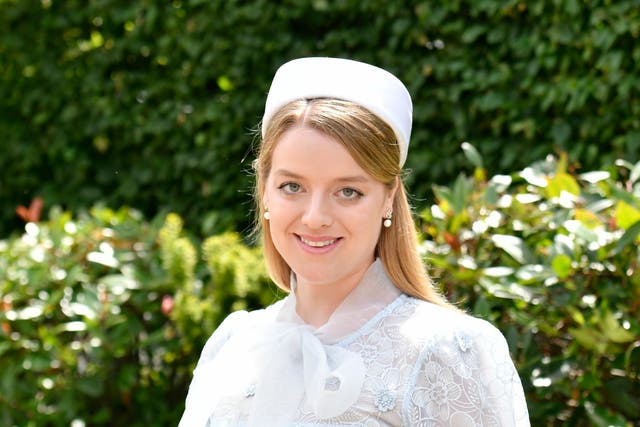
Flora Vesterberg, a member of the British royal family, has publicly shared her autism diagnosis for the first time, hoping her story will shine a light on the many women who remain undiagnosed well into adulthood.
At 30 years old, Vesterberg is an art historian and broadcaster, as well as the granddaughter of Princess Alexandra, a cousin of the late Queen Elizabeth II. She holds a place in the royal line of succession and is a direct descendant of Queen Victoria. Despite her prominent background, she has quietly managed personal challenges related to neurodiversity since childhood.
Her diagnosis came earlier this year as she prepared to begin her PhD at the Courtauld Institute of Art in London. The decision to seek clinical assessment was driven by a desire to better understand herself and to prepare for the academic demands ahead. Receiving the diagnosis, she says, offered both relief and clarity, helping her to frame her experiences in a new, more compassionate light.
Like many women on the spectrum, Vesterberg was not diagnosed in childhood. She has now joined a growing number of women speaking out about how autism often goes unnoticed or misunderstood in females, due to differences in how symptoms appear compared to men.
She decided to speak openly about her experience during Autism Awareness Month, aiming to encourage others—especially women—to seek answers if they feel they may be living with undiagnosed autism. She hopes that by sharing her story, she can help reduce stigma and inspire more women to explore assessments and support options.
Vesterberg is actively involved in the arts and philanthropy. She holds a role on the Campaign Board at the Courtauld Institute and co-chairs the Young Patrons’ Circle at the Victoria and Albert Museum. She also supports Art History Link-Up, a charity that helps students from diverse backgrounds study art history.
Married to private equity investor Timothy Vesterberg since 2020, she now feels empowered to balance her professional responsibilities with a clearer understanding of her personal needs. She credits the diagnosis with giving her the confidence to seek appropriate support as she begins the next chapter of her academic journey.
Her father, James Ogilvy, expressed his pride publicly, resharing her article and showing his support online—a reminder of the personal and familial strength behind her decision to go public.
With this step, Vesterberg joins a wider movement of women redefining what it means to live with autism, advocating for greater awareness, earlier diagnosis, and stronger support systems.