
The United Nations Children’s Fund (UNICEF) has raised serious concerns about the current aid distribution in Gaza, calling it disorganized, dangerous, and unable to meet the needs of the war-torn population.
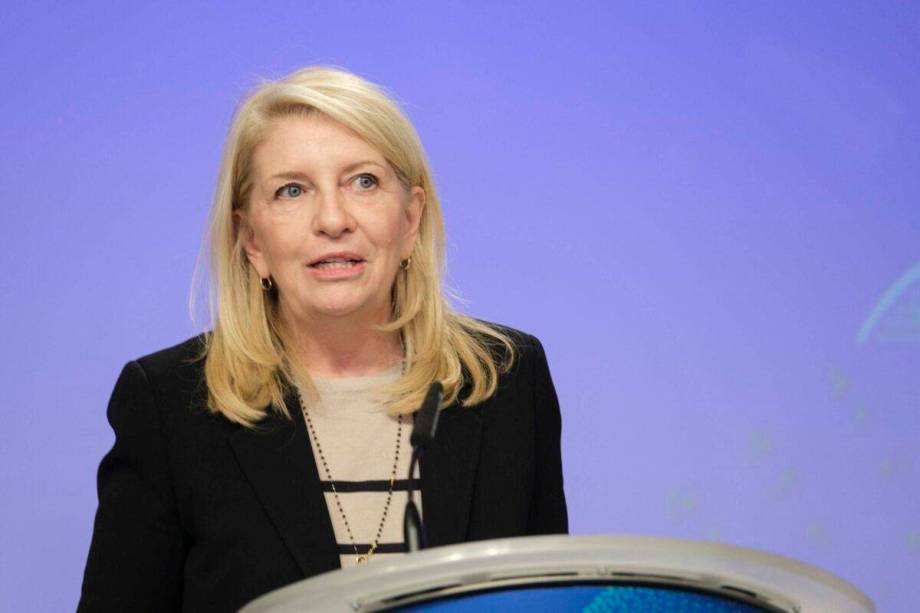
UNICEF’s Executive Director, Catherine Russell, said the situation on the ground is spiraling into chaos under a new plan managed by the Gaza Humanitarian Foundation with the backing of Israeli and American officials.
Russell criticized the new system for limiting distribution to a small number of locations, forcing desperate civilians, including children, to travel long and unsafe distances in search of basic supplies. This setup, she said, not only puts lives at risk but also contradicts international humanitarian laws that Israel is expected to follow.
Instead of improving access to food and medicine, the system is increasing the danger. Crowded distribution points have raised fears of violence, especially because American and Israeli security personnel are reportedly present, making these locations potential military targets.
According to Russell, only a fraction of the needed aid is reaching Gaza—around ten percent of what entered during the most recent ceasefire. With over two million people trapped in the enclave, including more than one million children, the current aid flow is far from enough to address the scale of the crisis.
UNICEF estimates that nearly 17,000 children have died since the beginning of the war in Gaza, which has now lasted close to 20 months. Over 34,000 others have been injured, with more at risk every day due to hunger, trauma, and lack of medical care.
On social media, images of hungry civilians packed behind metal barriers at aid centers have sparked outrage worldwide. The photos show the grim reality of daily life for Gazans, many of whom are forced to wait in dangerous conditions just to access food.
In one recent incident, 20 Palestinians were reportedly shot while trying to approach a food distribution site run by the Gaza Humanitarian Foundation, according to Al Jazeera.
As the humanitarian crisis worsens, UNICEF is urging the international community to restore proper aid channels and let neutral humanitarian agencies lead relief efforts. The organization insists that without these changes, the suffering—especially for children—will only grow.