
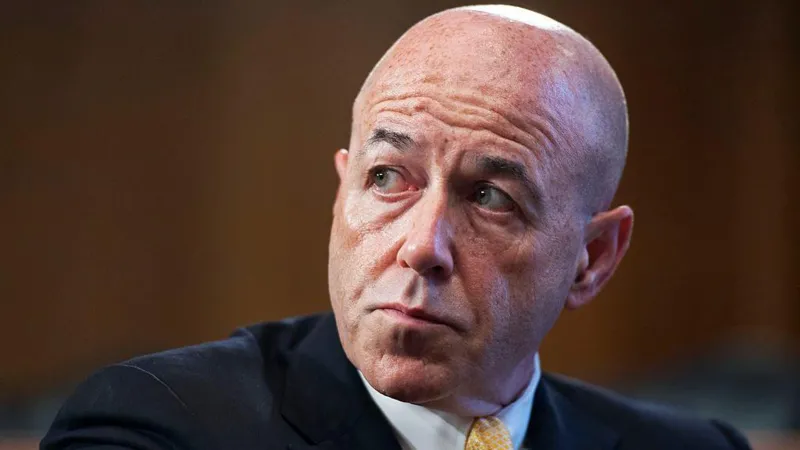
Bernard Kerik, the former New York City police commissioner who led the department during the 9/11 attacks, has died at the age of 69.
His passing was confirmed on Thursday following a private illness, according to statements from those close to him.
Kerik served as the NYPD commissioner during one of the darkest moments in American history, overseeing the police response to the 2001 terrorist attacks that killed thousands in New York City. His leadership during the crisis earned him national recognition and led to his later appointment by President George W. Bush to help restructure Iraq’s police force after the U.S. invasion.
Tributes poured in from officials and public figures. Former New York City mayor Rudy Giuliani, who worked closely with Kerik during his time in office, remembered him as a trusted companion and a strong leader. Current Mayor Eric Adams, who had known Kerik for nearly three decades, said he visited him in the hospital shortly before his passing and described him as a man devoted to the city and country.
Kerik’s career, though marked by accolades, also included controversy. In 2004, he was nominated by President Bush to lead the Department of Homeland Security but withdrew after questions surfaced about his financial dealings. In 2009, he pleaded guilty to multiple federal charges, including tax fraud and making false statements during a background check. He served three years in prison before receiving a full pardon from President Donald Trump in 2020.
Following his release, Kerik remained active in political circles and aligned himself with efforts to dispute the results of the 2020 U.S. presidential election. Despite legal troubles, he retained a base of loyal supporters who credited him for his service during one of the nation’s most trying times.
Kerik was also a U.S. Army veteran and spent decades in law enforcement before rising through the ranks to lead the NYPD. His life reflected both the rewards and challenges of public service, marked by resilience, controversy, and enduring loyalty to those he worked with.
He is survived by his family and a legacy that continues to stir both admiration and debate.