
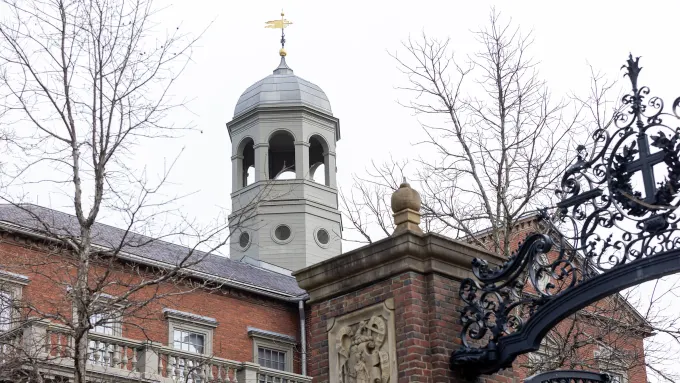
The US State Department has instructed all its embassies and consulates around the world to begin strict new screening measures for anyone applying for a visa to travel to Harvard University.
This new policy covers everyone—from prospective students and visiting professors to tourists and guest speakers—and is being described as a pilot for broader social media screening that could soon affect all visa applicants.
The directive, signed by Secretary of State Marco Rubio, marks a new chapter in the Trump administration’s escalating battle with Harvard. It demands that visa officers now investigate an applicant’s online presence as a key part of the process. This includes checking social media activity and scrutinizing accounts for content that might suggest the applicant has intentions that don’t align with the visa they’re applying for.
Applicants are now required to make their social media profiles public before their visa applications can be reviewed. Those who decline to do so, or who have minimal online activity, may face extra suspicion. The cable warns that a lack of visible online presence could be interpreted as evasive or dishonest, and might even lead to visa refusal.
Even if applicants meet all the other requirements, their cases will be forwarded to a Fraud Prevention Unit if they’re headed to Harvard. This unit is tasked with digging deeper—beyond routine checks—to search for any signs of previous misconduct, especially online behavior that may conflict with US immigration law.
The new order doesn’t stop at education-related travel. It applies broadly to anyone traveling to Harvard for any reason. This includes people attending events, giving lectures, or even making short visits. If consular officers aren’t fully convinced that an applicant will only engage in legal, visa-appropriate activities, they are instructed to deny the visa.
Officials say the changes are meant to address concerns raised by the Department of Homeland Security. That department has recently accused Harvard of not doing enough to prevent anti-Semitic incidents and campus violence. The State Department’s cable says the new rules will help consular officers identify individuals who might have ties to harassment or extremism, especially related to those concerns.
Earlier this week, the State Department had already paused new student visa appointments for Harvard as it prepared for this expanded vetting process. This latest move brings even tighter control and signals that more sweeping immigration changes could be on the horizon—not just for Harvard, but potentially for other institutions as well.
The new policy could have wide-ranging effects, slowing down visa approvals and limiting who can travel to one of America’s most prominent universities. While the State Department calls it a necessary step for security, critics are likely to raise concerns about freedom of speech, privacy, and academic openness in the days ahead.