
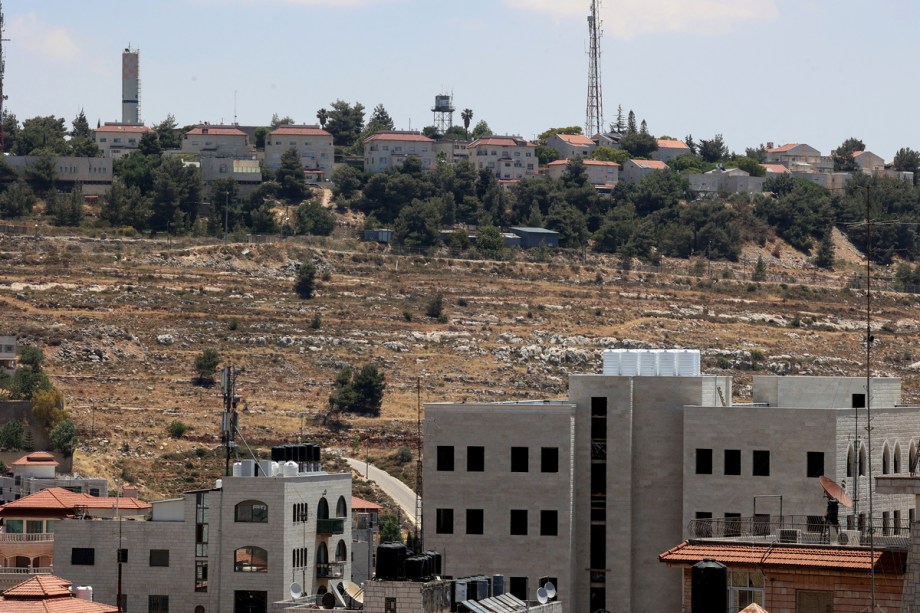
On Friday, Israeli authorities gave the green light for 22 new Jewish-only settlements in the occupied West Bank.
The announcement came from Finance Minister Bezalel Smotrich, a member of the far-right government who supports full Israeli control over the territory. Though the minister confirmed the expansion, details about the exact locations remain undisclosed. Reports from local media indicate that both new settlements and the formal recognition of previously unauthorized outposts are part of the plan.
The move happened during a period of rising international criticism. Governments across Europe and North America have voiced concern over Israeli settlement growth. Some countries have even warned that further expansion could lead to diplomatic consequences. The approval of these new settlements has caused fresh outrage among Palestinian leaders, who see it as another step that reduces the chances of forming their own state. International observers have long argued that settlement activity threatens the idea of peaceful coexistence.
The expansion affects Palestinians living in the West Bank, who face growing restrictions due to the spread of settlements. Many roads are limited to settlers only, making daily travel difficult for locals. Families are often separated from their farmland, and communities are increasingly surrounded by Israeli-controlled zones. With about 700,000 settlers already living in both East Jerusalem and the West Bank, the pressure on Palestinian residents continues to grow.
The decision to expand comes at a time when violence has been increasing across the region. Since the start of the war in Gaza nearly two years ago, Israeli military operations in the West Bank have intensified. There has also been a sharp rise in settler violence, with attacks on Palestinian homes and property becoming more common. This has deepened the sense of insecurity and fear in many Palestinian towns.
The plan for the new settlements was made by the current Israeli government, which includes members with strong ideological beliefs about the West Bank belonging to Israel. This political stance has shaped many recent decisions, and settlement activity has accelerated under this leadership. Although international law views these settlements as illegal, Israeli officials argue otherwise, using domestic policies to justify their actions.
Global reaction to the announcement has been swift. Several European countries have demanded that Israel stop building new settlements. Some are considering penalties if the expansion continues. Even allies like the United States have shown signs of frustration, although their public statements have remained cautious. Critics say that the international community must do more than issue warnings if they hope to stop the ongoing expansion.
The people most affected by this decision are the Palestinians living in and around the new settlement areas. Many worry that their communities will be pushed even further to the margins. Roads, services, and farmland may soon be taken over or blocked off. With each new settlement, the map of the West Bank becomes harder to divide into a future Palestinian state. For many, this latest development feels like another step away from peace.