
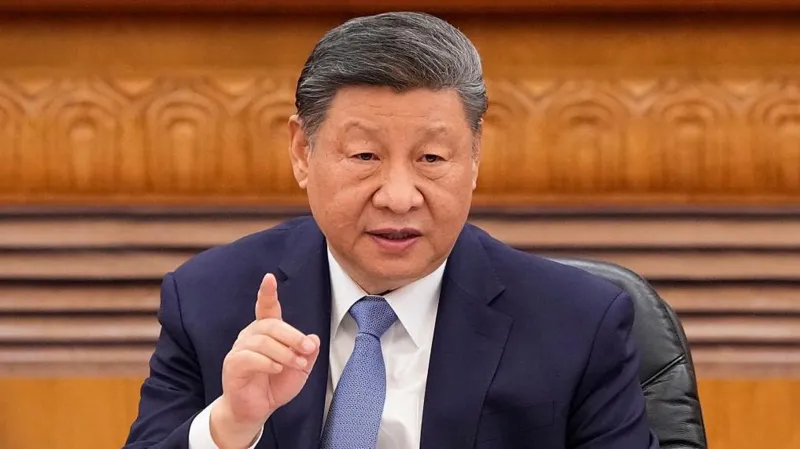
China has accused the United States of breaking their recent trade agreement and warned it will respond firmly to protect its national interests.
The statement from Beijing comes after tensions between the two countries flared up again, just weeks after a temporary truce had raised hopes for improved economic ties.
The Chinese Ministry of Commerce said the US had gone against the agreement reached in Geneva last month, where both sides agreed to lower tariffs on each other’s goods. Beijing claims the US actions not only hurt that deal but also went against promises made during a call between President Xi Jinping and US President Donald Trump in January.
In a speech last Friday, President Trump said China had failed to honor the agreement, though he did not provide specific examples. Later, Trade Representative Jamieson Greer claimed that China had not removed certain non-tariff barriers, which were part of the Geneva deal.
Under that agreement, the US reduced tariffs on Chinese goods from 145% to 30%, and China lowered its own tariffs on US goods from 125% to 10%. This move had surprised many observers who believed the two countries were too far apart to reach any deal.
But now, China says the US has violated the terms by blocking sales of chip design software to Chinese firms, discouraging the use of Chinese technology from companies like Huawei, and revoking visas for Chinese students. These steps, according to Beijing, show Washington is not honoring the deal.
This fresh round of accusations highlights how fragile the current trade truce is. Though the Geneva meeting had shown that compromise was possible, the latest developments suggest deeper problems remain.
Despite the tension, there may still be room for dialogue. Top US officials have hinted that a new conversation between Trump and Xi could happen soon. Treasury Secretary Thomas Bessent said talks would continue and that details of the deal could be resolved once the two leaders speak directly, though no date has been set.
Kevin Hassett, head of the National Economic Council, also said both leaders were open to more discussions, possibly as early as this week. However, he noted the US must prepare for all outcomes if the talks fail to make progress.
China, on the other hand, prefers to settle issues at lower levels before involving top leadership. This difference in approach adds another challenge to reaching a longer-term agreement.
Meanwhile, Trump announced last week that the US will double tariffs on steel and aluminum imports from 25% to 50%, starting this Wednesday. He made the announcement at a rally in Pennsylvania, claiming the move would support American steel production and lessen dependence on Chinese supply.
As tensions rise again, both sides are walking a fine line between confrontation and cooperation. The coming days could determine whether the fragile trade peace holds or falls apart entirely.