
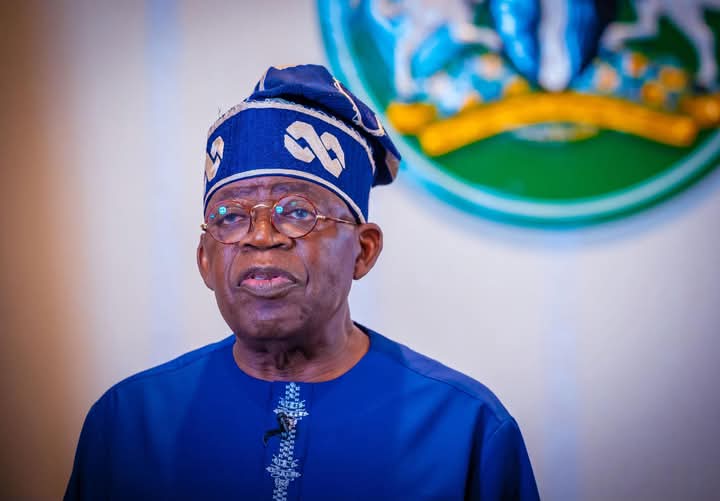
President Bola Tinubu has signed four groundbreaking tax reform bills into law on Thursday, transforming Nigeria’s fiscal and revenue framework.
The bills, passed by the National Assembly after extensive consultations, aim to significantly improve tax administration, increase revenue generation, and boost domestic and foreign investments.
The bills will consolidate Nigeria’s fragmented tax laws into a harmonized statute, reducing multiple taxes and eliminating duplication, thereby enhancing the ease of doing business and creating a more predictable fiscal environment. They will also establish a uniform legal and operational framework for tax administration across federal, state, and local governments.
Additionally, the bills will repeal the current Federal Inland Revenue Service Act and create a more autonomous and performance-driven national revenue agency, the Nigeria Revenue Service (NRS), with an expanded mandate, including non-tax revenue collection. The NRS will have transparency, accountability, and efficiency mechanisms in place.
Furthermore, the bills provide a formal governance structure to facilitate cooperation between revenue authorities at all levels of government, introducing essential oversight mechanisms, including a Tax Appeal Tribunal and an Office of the Tax Ombudsman.
The signing ceremony will be witnessed by prominent officials, including the Senate President, Speaker of the House of Representatives, and the Minister of Finance.
According to Bayo Onanuga, Special Adviser to the President on Information and Strategy, these bills will transform Nigeria’s tax landscape, promoting economic growth and development.