
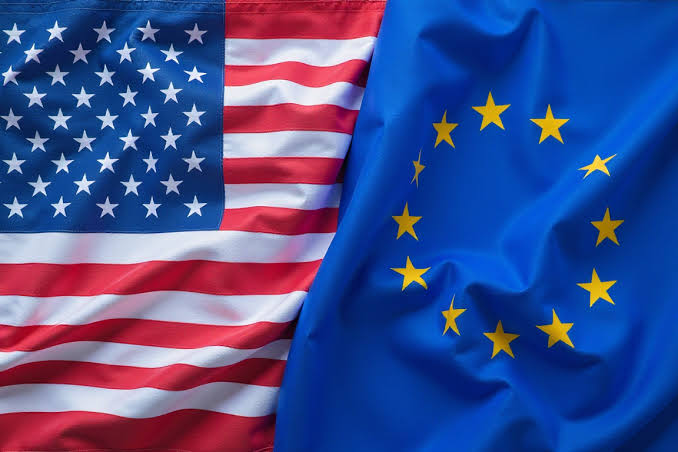
The European Union is bracing for a new wave of economic pressure after the United States announced a 30% tariff on all EU imports starting August 1.
Although steel and aluminum are excluded from the latest measure, they are already under separate heavy duties, with cars and car parts facing a 25% tariff and steel and aluminum taxed at 50%.
The move is part of Washington’s tougher global trade approach, particularly toward economically weaker partners.
In response, European Commission President Ursula von der Leyen confirmed that the EU will take steps to protect its economic interests, while also expressing willingness to seek a balanced solution through continued dialogue.
EU Trade Commissioner Maros Sefcovic is set to begin talks with US officials on Monday.
The new tariffs have raised concerns among European businesses, particularly in Germany, where trade plays a central role in the national economy.
Industry leaders fear that these restrictions could hurt growth, delay recovery, and disrupt international cooperation.
Germany, with its strong reliance on exports, could face setbacks similar to those experienced by other trade-driven nations like China.
Looking ahead, the EU is preparing for a summit with China in Beijing at the end of July. The outcome may hinge on how the trade situation with the US evolves.
Washington has already signaled additional tariffs on goods from Japan and South Korea, raising the possibility of deeper trade conflicts.
China, facing its own trade challenges with the US, may try to shift its excess production into the European market.
This could prompt further actions from Washington, including reclassifying Chinese-made goods produced in Europe as Chinese exports, targeting them with added duties.
Experts from Spain warn that the EU’s varied relationships with both the US and China create a lack of unity in strategic planning.
However, they stress the need for all EU countries to work together to reduce external dependence and push for fair access to markets like China’s, which will require real changes, not just verbal commitments.