
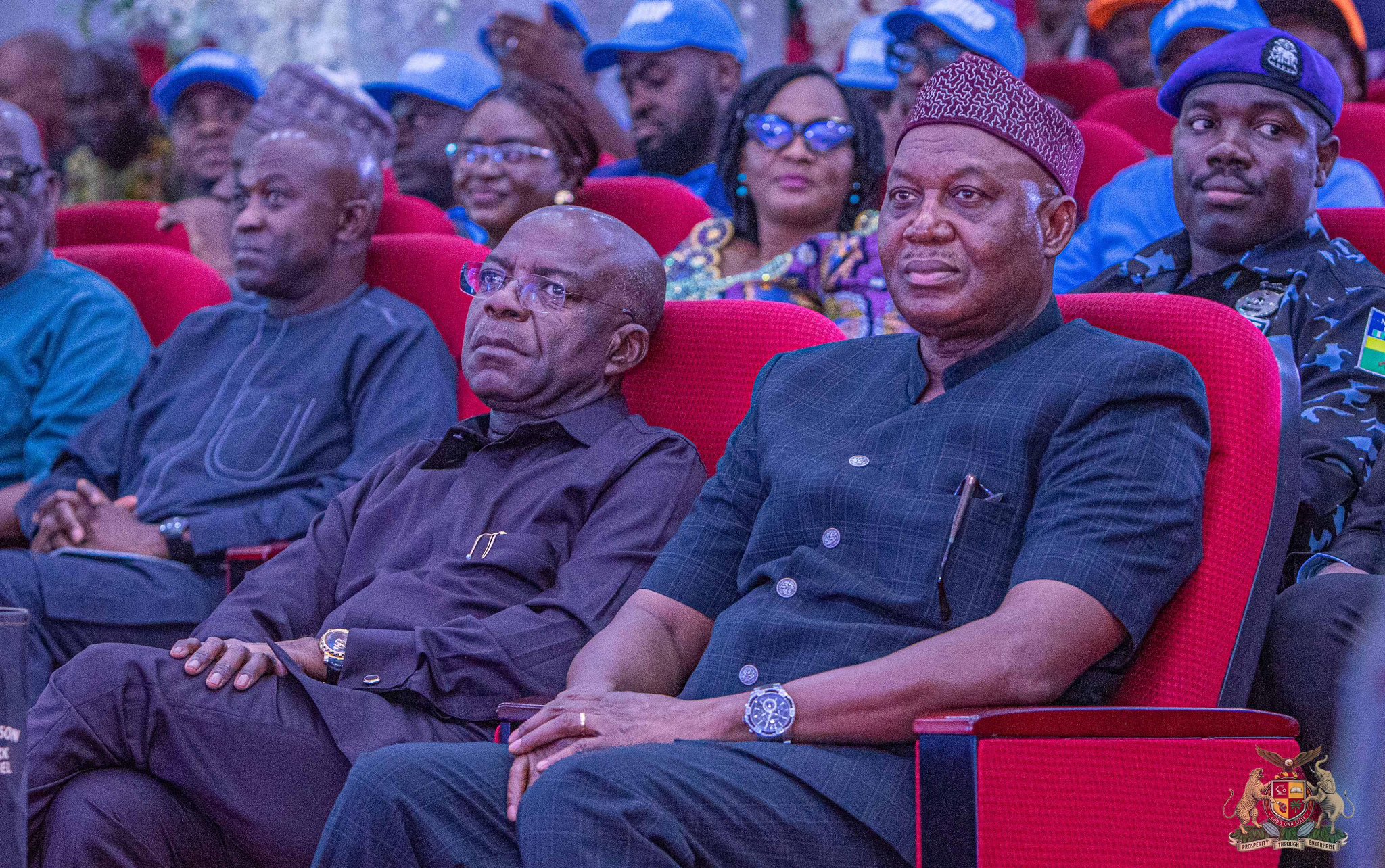
The African Development Bank (AfDB), working with the Islamic Development Bank, the Nigerian Federal Government, and Abia State, has started a $263.8 million infrastructure project aimed at improving urban living conditions in Umuahia and Aba.
The Abia State Integrated Infrastructure Development Project will improve roads, control erosion, and support better waste management systems.
Over the next five years, it will help modernize both cities, creating better transport networks and more sustainable urban environments.
The AfDB is providing $115 million for the project, including $100 million from its ADB lending window and $15 million from the Canada-AfDB Climate Fund.
The Islamic Development Bank is contributing $125 million, while the Nigerian Federal Government will add $23.8 million in counterpart funding.
The project includes the rehabilitation of over 248 kilometers of roads in the two cities.
It will also restore two major erosion sites and promote investment in solid waste management through public-private partnerships.
The goal is to address long-standing infrastructure problems linked to rapid urban growth, environmental challenges, and underinvestment.
Umuahia and Aba have struggled with poor roads, erosion damage, and limited waste handling capacity.
In addition to physical works, the project aims to create more than 3,000 temporary construction jobs—30 percent of which will go to women—and about 1,000 permanent jobs once operational.
Half of the permanent positions are reserved for young people who will receive training under a state-run youth road maintenance program that covers all 17 Local Government Areas of Abia State.
The project also includes environmental and social protection efforts such as resettlement plans, disease awareness programs, and training for women and youth-led businesses.
Development partners have pledged support for project delivery, while Abia State officials have promised strict monitoring and responsible implementation.
The AfDB will provide ongoing technical assistance, capacity building, and supervision.
This marks a major step forward in Abia’s infrastructure development and efforts to boost the local economy through inclusive, sustainable investments.