
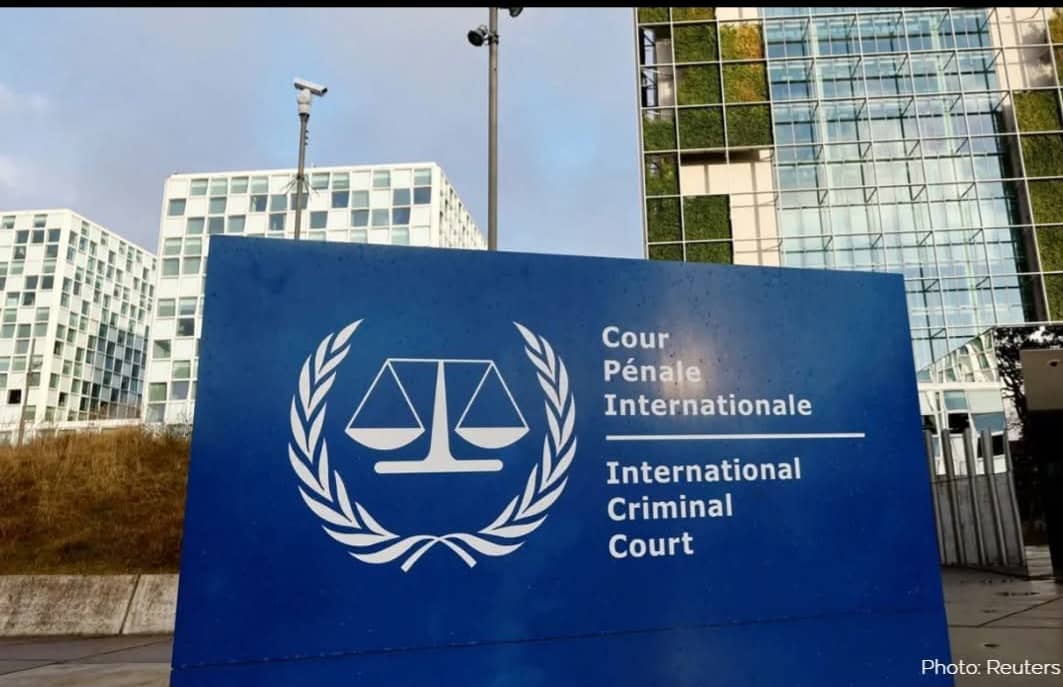
The International Criminal Court (ICC) has sentenced two Central African Republic (CAR) figures for their roles in war crimes and crimes against humanity during the country’s 2013–2014 conflict.
Alfred Yekatom, a former lawmaker and militia commander, was given a 15-year prison sentence after being found guilty of 20 serious offenses, including murder, torture, and inhumane treatment.
Patrice-Edouard Ngaissona, who once served as the country’s Sports Minister and headed the national football federation, received a 12-year sentence for 28 similar crimes.
The two men were central figures in the Anti-Balaka militia, a group formed by Christian and animist fighters in response to the Seleka rebellion.
In 2013, Seleka rebels, mainly from Muslim communities, seized the capital Bangui and ousted President Francois Bozize.
In retaliation, the Anti-Balaka launched brutal attacks against those they believed were linked to Seleka, often targeting Muslim civilians.
The trial brought to light disturbing acts of violence. Judges described how Yekatom’s men tortured a man by cutting off his ears, fingers, and toes.
The victim’s body was never found. Other victims were also mutilated or killed in public acts of violence.
Yekatom showed no reaction as the verdict was read. Ngaissona quietly acknowledged his sentence with a nod.
Although found guilty on many counts, the court acquitted Yekatom of using child soldiers and cleared Ngaissona of rape charges.
Both had denied all charges during the trial.
Yekatom was arrested in 2018 after firing a weapon in the national assembly and was later sent to The Hague.
Ngaissona, then a football executive and a member of the Confederation of African Football’s board, was detained in France and extradited the same year.
The ICC’s decision reflects the ongoing efforts to bring justice to victims of armed conflicts.
The case is part of the tribunal’s continued involvement in addressing crimes committed during CAR’s years of instability.
Established in 2002, the ICC remains the only global court with the power to try individuals for the most serious crimes under international law.